
Water‑fed pole window cleaning uses purified water to deliver streak‑free results on glass and other surfaces without detergents. Because it’s fast, safe and effective, the method is a go‑to for residential and commercial teams.
Below we explain how water‑fed pole systems operate, the advantages they offer, and how poles are manufactured and customised for different jobs. Understanding the mechanics helps when choosing the right system over traditional techniques, and shows how commercial cleaners can integrate water‑fed poles — including manufacturing and custom options available from Anbule.
What Is a Water‑Fed Pole System and How Does It Operate?
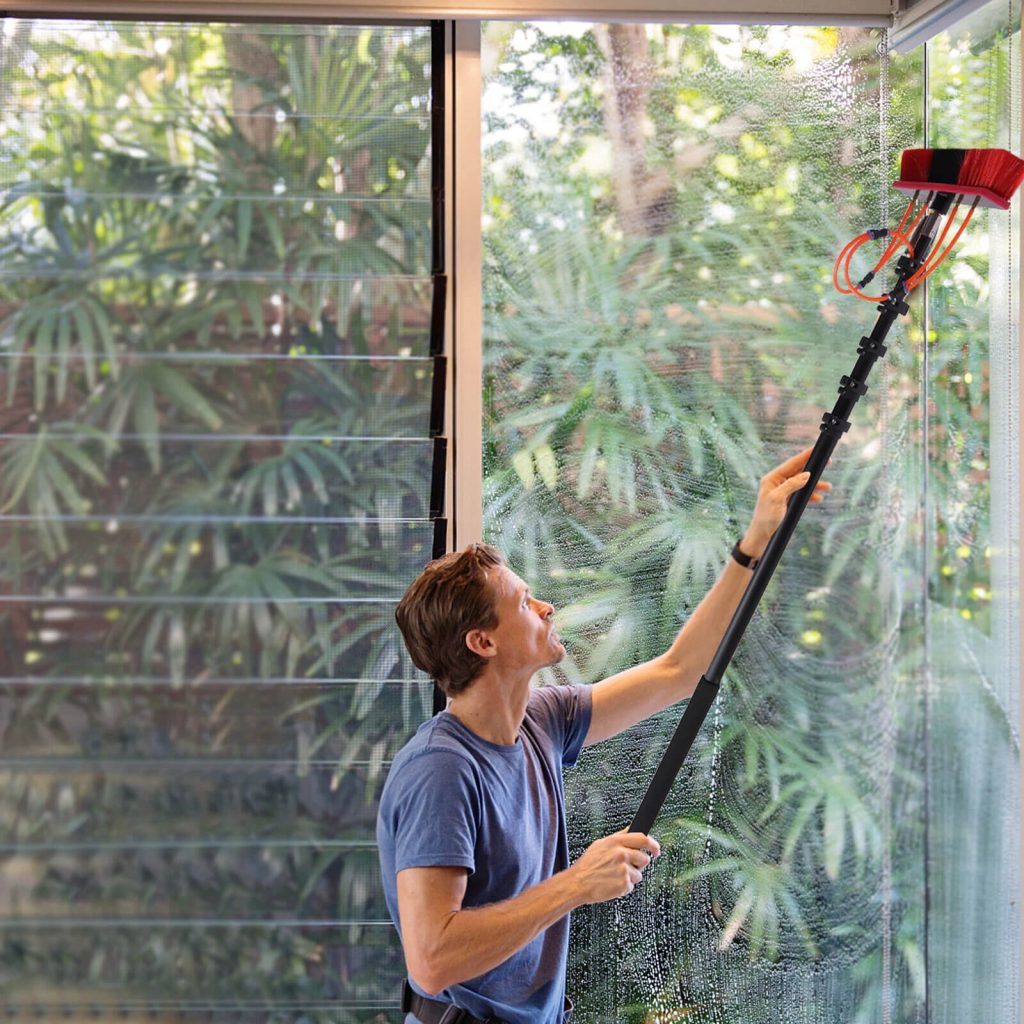
A water‑fed pole system delivers deionized or purified water through a telescopic pole fitted with a brush head. Water is pumped from a tank, flows through the pole and brush, and lifts away dirt so surfaces dry without mineral residue. The result: cleaner, streak‑free glass without chemical cleaners.

Get a Custom Water Fed Pole Quote from Anbule
How Pure Water Technology Produces Streak‑Free Results
Pure water has had dissolved minerals and impurities removed. When applied, it breaks the bond between dirt and the substrate; as the water evaporates it leaves no minerals behind, so glass and other non‑porous materials dry clear. This reduces chemical use and helps keep cleaning environmentally responsible.
Research clarifies the temperature and chemical conditions that influence how effectively deionized water removes soils.
Deionized Water: Efficacy & Temperature Effects
A comparative study examined AIEW (pH 11.5) versus warm deionized water (DIW; pH 5.7) across 20–80°C. DIW cleaning efficiency increased from 20 to 70°C and fell somewhat at 80°C. AIEW performance rose up to 50°C and then gradually declined. Overall, AIEW removed gelatin far more effectively than warm DIW, with an optimum near 50°C.
Efficacy of electrolyzed water as a primary cleaning agent, 2004
What Are the Key Components of a Water‑Fed Pole System?
- Telescopic Pole: Adjustable reach so operators can clean high windows safely from the ground.
- Brush: Scrubs while purified water flows through the head to dislodge grime.
- Water Pump: Maintains steady pressure and flow through the pole and brush.
- Water Purification System: Produces the deionized or reverse‑osmosis water required for streak‑free drying.
- Water Tank: Stores the purified water supply for on‑site use.
What Are the Benefits of Using Water‑Fed Poles for Window Cleaning?
Water‑fed poles combine safety, speed and environmental benefits that ladder‑based methods don’t match. They reduce risk, cut job time and remove the need for most chemical cleaners.
How Water‑Fed Pole Cleaning Improves Safety and Productivity
Operators stay on the ground while reaching multiple storeys with telescopic poles, significantly lowering fall risk and removing the need for scaffolding or ladders. Setup and turnaround are faster, so teams complete more jobs per day with less downtime.
Why Pure Water Cleaning Is Both Green and Effective
Using purified water rather than detergents cuts chemical runoff and reduces exposure for operators and occupants. The water lifts contaminants and dries clean, making it an effective, lower‑impact choice.
How Are Water‑Fed Poles Manufactured and Customized for Commercial Use?
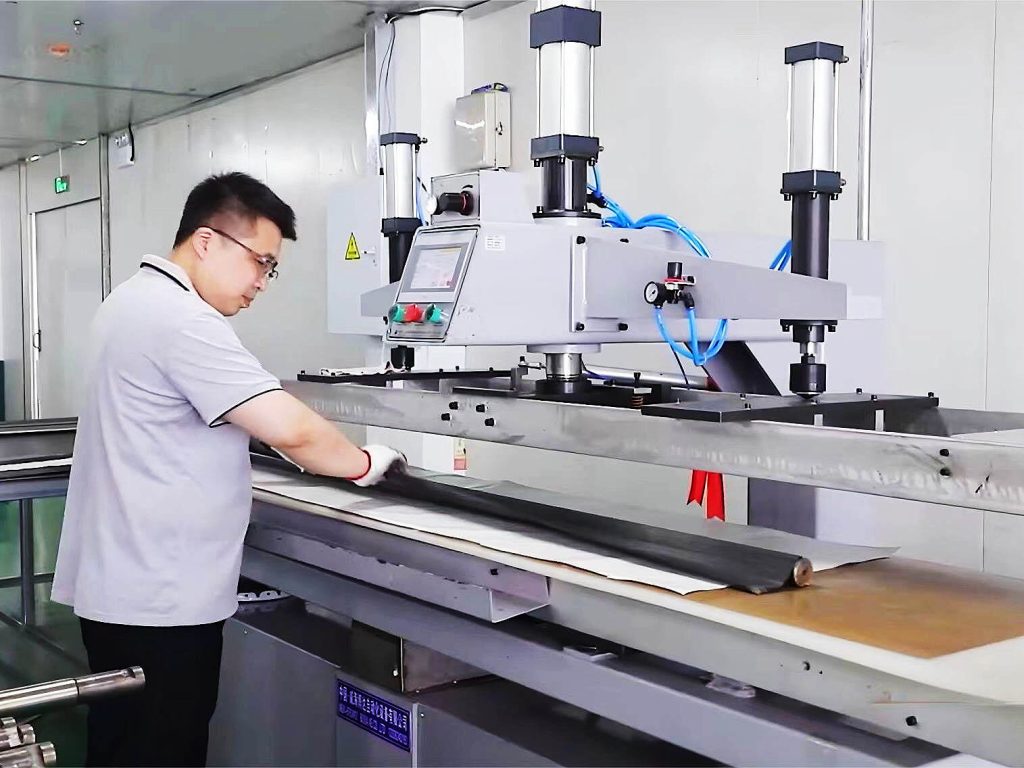
Manufacturing water‑fed poles requires precision engineering to ensure reach, stiffness and durability. Anbule designs custom carbon‑fiber and aluminium telescopic poles suited to varied industry needs and operating conditions.
Get a Custom Water Fed Pole Quote from Anbule
Carbon Fiber vs Aluminium: Key Differences
- Weight: Carbon fiber poles are lighter and easier to handle for long shifts.
- Durability: Carbon fiber resists bending and corrosion better; aluminium is strong and cost‑effective but heavier and, if untreated, more prone to corrosion.
- Cost: Carbon fiber typically carries a higher price due to material and manufacturing complexity.
How Anbule Supports OEM and ODM Customisation
Anbule provides OEM and ODM services so businesses can specify length, materials, thread types, fittings and other details. That lets cleaning companies get poles tuned to their workflows — from residential work to industrial façades.
How Commercial Cleaners Integrate Water‑Fed Pole Systems
Integrating water‑fed systems involves selecting the right pole material, sizing purification capacity, training crews and adapting job scheduling to exploit reduced setup times.
What Equipment Do Professionals Need?
- Water‑Fed Poles: Choose carbon fiber or aluminium based on reach, weight and budget.
- Water Purification System: Produces purified water using technologies such as RO or deionization.
- Water Tank: Stores the purified supply for on‑site operations.
- Pump System: Delivers consistent pressure and flow through the pole and brush.
Producing the purified water used in these systems commonly relies on RO combined with CEDI—an industry standard for achieving high purity.
Purified Water Production: CEDI & RO Technology
The use of CEDI together with reverse osmosis (RO) is generally regarded as the standard approach to produce purified water or to pretreat water for further purification.
Pure water technology, 2007
How Partnering with Anbule Supports B2B Solutions
Working with Anbule gives cleaning businesses access to tested poles, tailored manufacturing and after‑sales support. Our experience helps clients reduce downtime, improve safety and deliver consistently better results.
The table summarises the core components and why each one matters to safe, effective water‑fed cleaning.
Water‑fed pole window cleaning is a practical advancement: it improves safety, increases efficiency and reduces environmental impact. With a clear understanding of system components and options, commercial cleaners can decide how best to adopt this proven method.
How Water Fed Pole Window Cleaning Works | FAQs
Get a Custom Water Fed Pole Quote from Anbule
What surfaces can be cleaned with water‑fed poles?
Water‑fed poles work well on glass, solar panels and many types of non‑porous cladding. Purified water is gentle yet effective, and brush heads can be swapped or adjusted for different textures to avoid damage.
How often should water‑fed cleaning be scheduled?
Frequency depends on location and exposure. Heavily polluted urban sites or buildings near construction may need monthly or even bi‑weekly visits. In cleaner environments, quarterly or twice‑yearly cycles often suffice. Regular cleaning preserves appearance and extends surface life.
Can water‑fed systems be used in cold weather?
Yes, with precautions. Purified water can freeze in very low temperatures, so many operators use heated systems or antifreeze measures. Avoid work during icy or unsafe conditions and plan for weather‑appropriate equipment.
What maintenance do water‑fed systems require?
Routine checks keep systems reliable: inspect the purification unit for blockages, service pumps, clean or replace brush heads, and examine telescopic sections for wear. Proper storage—especially in extreme weather—extends equipment life.
Is training required to use water‑fed poles?
Basic operator training is recommended. Training covers setup, safe pole handling, pump and purification operation, and effective cleaning techniques. Many manufacturers and suppliers, including Anbule partners, provide training resources.
What are the cost implications of switching to water‑fed cleaning?
Upfront costs include poles, purification systems and pumps. Over time, water‑fed systems reduce labour, ladder and scaffold needs and cut chemical expenses—often producing a favourable return on investment for commercial operators.
Conclusion
Water‑fed pole window cleaning combines safety, speed and environmental advantages while delivering streak‑free results. For commercial teams, adopting the right poles and purification setup can boost productivity and reduce operational risk. Contact Anbule to explore tailored pole options and specification advice for your business.
 English
 Deutsch
 Français
 Polski
 Português do Brasil
 Español
 日本語
日本語 Русский
 العربية
 Italiano
 Nederlands
 Türkçe
 한국어
한국어