
Keeping solar panels clean preserves energy output, but cleaning introduces electrical risks. Knowing where those risks originate and how to control them is essential for anyone who inspects, maintains, or cleans PV arrays. This guide explains electrocution hazards tied to panel cleaning, practical steps to reduce exposure, recommended protective gear, and safe equipment choices. By the end you’ll have actionable guidance to clean panels without unnecessary risk.
What Are the Electrical Risks When Cleaning Solar Panels?
Cleaning panels means working near live electrical components. The main hazards are direct current (DC) shock from the panels themselves, exposure caused by damaged wiring or panels, and environmental factors — especially moisture — that increase conduction. Identifying these risk points lets you take targeted precautions before you start work.
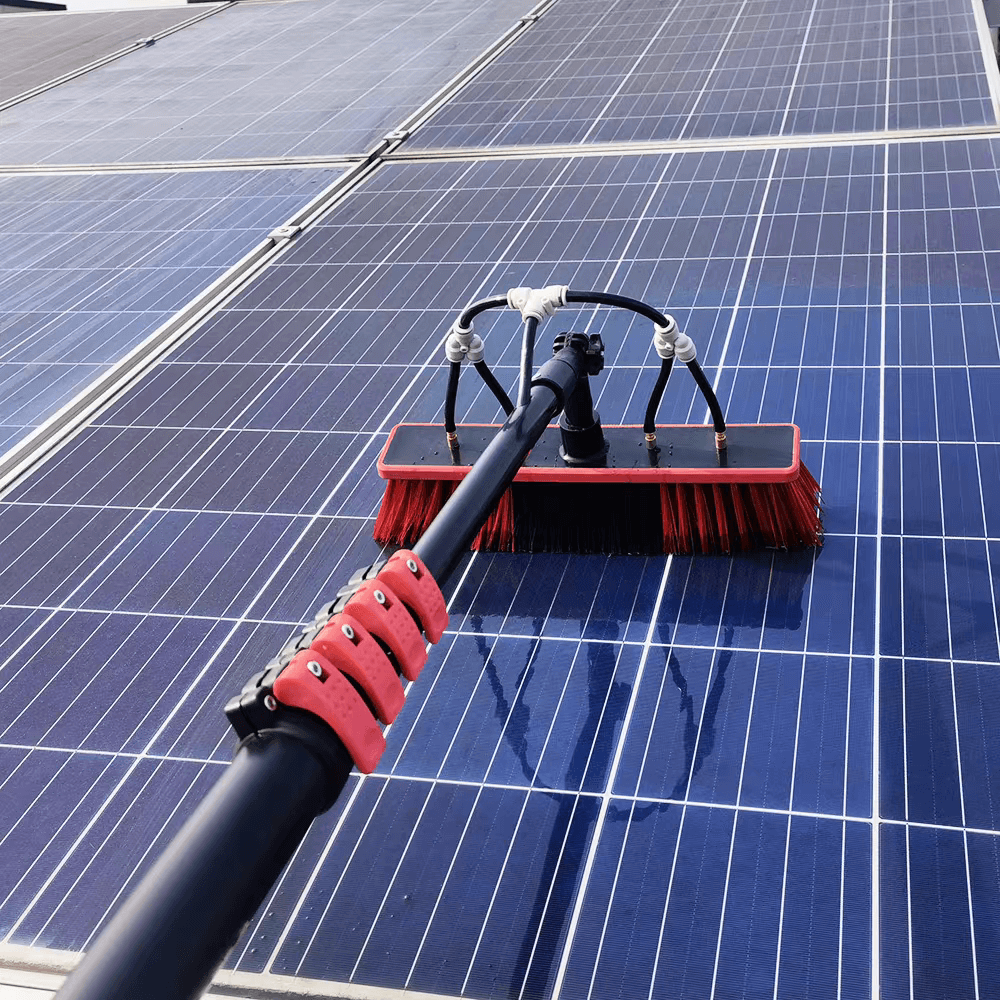
Get a Custom Water Fed Pole Quote from Anbule
How Does DC Current Cause Electrocution During Cleaning?
Solar panels produce DC electricity; unlike alternating current, DC doesn’t cross zero volts each cycle, which can make it harder for the body to break contact during a shock. A single panel’s voltage is modest, but panels wired in series can reach dangerous voltages. Contact with exposed conductors, terminals, or damaged junction boxes during cleaning can cause serious shocks or worse. Incidents, though uncommon, demonstrate the potential severity and why caution matters.
Real incidents highlight how hazardous DC exposure can be during routine solar maintenance.
Solar Panel Electrocution: DC Hazards & Protective Measures
This report describes a rare but fatal high‑voltage DC electrocution of a solar worker who lacked adequate protective gear. The case underscores that both high‑voltage and high‑amperage currents — AC or DC — can be lethal. As solar installations expand, so does the need for robust protective procedures and training.
A rare case of electrocution due to direct current (DC) generated by a solar panel: A case report, 2025
What Faulty Wiring and Panel Damage Increase Shock Hazards?
Damaged panels and poor wiring create predictable danger zones: frayed cables, loose connectors, cracked glass, and compromised junction boxes all raise the chance of contact with live parts. Regular visual inspections and prompt repairs remove many of these risks — if issues like discoloration, corrosion, or visible cracks appear, isolate the array and call a qualified technician.
How Can You Safely Clean Solar Panels to Prevent Electrocution?
Safe cleaning combines planning, the right PPE, and the correct equipment. Key steps are de‑energizing systems when possible, using insulating tools and barriers, and following safe work practices so cleaning doesn’t become a shock hazard.
Why Is Turning Off Solar Panels Important Before Cleaning?
Deactivating the array lowers the chance of encountering live circuits. Use the system’s DC disconnect and shut the inverter down per the manufacturer’s procedure. Bear in mind panels still produce some voltage in sunlight, so deactivation plus other controls — like covers or shaded work windows — are best. Turning power off reduces shock risk but isn’t the only measure.
What Personal Protective Equipment Is Recommended?
Use PPE designed for electrical work and for physical safety around roofs and ladders. Our baseline recommendations:
- Insulated gloves: Rated for electrical work to reduce shock exposure.
- Safety goggles: Protect eyes from cleaning solutions and debris.
- Non‑slip footwear: Improve footing on wet or sloped surfaces.
Proper PPE reduces injury risk and helps you focus on controlled cleaning.
How Does Professional Equipment Reduce Electrocution Risks?
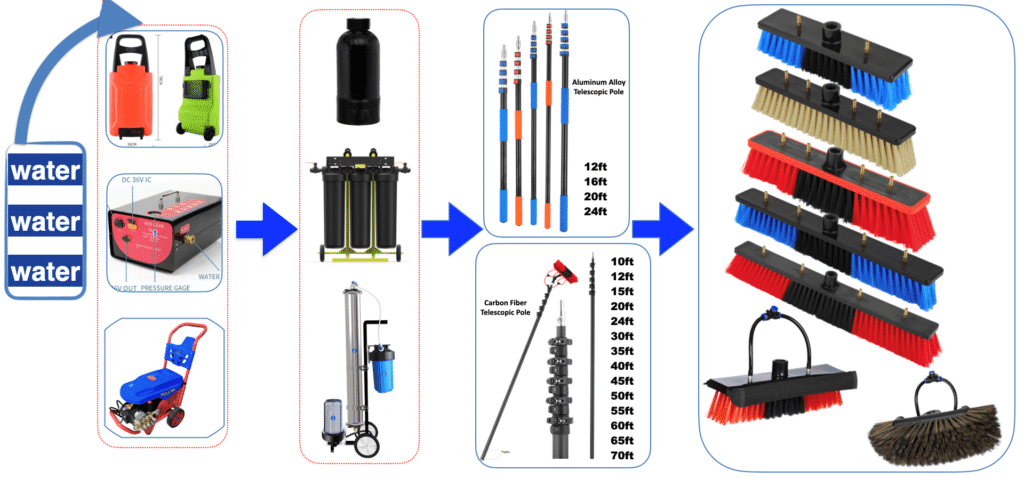
Purpose‑built cleaning gear lowers exposure by keeping operators away from live components, controlling water flow, and adding electrical isolation where needed. Investing in equipment designed for PV systems pays off in both safety and cleaning effectiveness.
What Safety Features Does Anbule’s Solar Panel Washing Machine Offer?
Those design choices make Anbule’s Solar Panel Washing Machine a practical option when safety and performance matter.
How Do Telescopic Poles Enhance Operator Safety?
Telescopic poles let technicians clean from ground level or a safer stance, reducing ladder time and the risk of falls. Good poles also improve reach and control so you can apply cleaning pressure precisely without leaning over panels or risking contact with electrical parts.
What Are Best Practices for Physical Safety While Cleaning Solar Panels?
Combine electrical controls with fall prevention and safe access planning. A checklist approach — confirm de‑energization, secure footing, use PPE, and follow tool protocols — keeps work predictable and reduces accidents.
Get a Custom Water Fed Pole Quote from Anbule
How Does Ground-Level Cleaning Prevent Falls?
Whenever possible, clean from the ground using extension poles or reach tools. That avoids ladder climbs and scaffolding work, which are common sources of injury during maintenance. Ground‑level cleaning is one of the simplest ways to cut physical risk while still keeping panels clean.
Why Is Proper Training Essential for Safe Solar Panel Maintenance?
Training teaches hazard recognition, correct shutdown procedures, PPE use, and emergency response. Well‑trained crews work faster, make fewer mistakes, and handle surprises safely — so training is a core investment in both safety and uptime.
If you have more questions about safe cleaning or would like professional help, feel free to contact Anbule’s team.
Can You Get Electrocuted Cleaning Solar Panels | FAQs
What should I do if I notice damage to my solar panels?
If you see cracks, discoloration, loose wiring, or other damage, stop cleaning and isolate the affected array if you can do so safely. Contact a qualified PV technician to inspect and repair the issue — damaged components increase electrical risk and can reduce system performance.
Can weather conditions affect the safety of cleaning solar panels?
Absolutely. Wet surfaces and rain increase electrical conductivity and the chance of slips. Wind makes handling tools and poles harder. Always choose dry, calm conditions for cleaning and postpone work during rain, storms, or high winds.
What are the signs that indicate a need for professional cleaning services?
Call professionals if panels show heavy soiling, bird droppings, or stubborn grime that reduces output, or if panels are hard to access safely. Professionals have the right equipment and training to clean effectively while minimizing safety risks.
How often should solar panels be cleaned?
Cleaning frequency depends on location and local conditions. A common baseline is twice a year, but areas with lots of dust, pollen, salt spray, or bird activity may need more frequent attention. Regular inspections will help you establish the right schedule.
What should I do in case of an electrical emergency while cleaning?
First, don’t touch the person if they’re still in contact with the electrical source. If it’s safe, shut down power via the DC disconnect or inverter. Call emergency services immediately for any injury. Apply first aid only if you’re trained and it’s safe to do so.
Are there specific regulations for cleaning solar panels in my area?
Local safety codes and licensing rules vary. Check regulations from local authorities and industry bodies to ensure compliance with safety standards, environmental rules, and any licensing requirements for commercial cleaners.
Conclusion
Cleaning solar panels is essential, but it needs to be done with awareness and the right controls. De‑energize when possible, use proper PPE, choose equipment designed for PV systems, and rely on trained staff for higher‑risk jobs. These steps greatly reduce the chance of electrocution and help keep your system running at peak efficiency. For guidance or professional support, explore our resources or get in touch with Anbule.
 English
 Deutsch
 Français
 Polski
 Português do Brasil
 Español
 日本語
日本語 Русский
 العربية
 Italiano
 Nederlands
 Türkçe
 한국어
한국어