
A water‑fed pole transforms window and high‑surface cleaning. This guide summarizes setup, techniques for streak‑free results, essential safety steps, and routine maintenance to keep gear reliable. Use these practical tips for consistent, professional outcomes.
What Are the Basic Steps to Set Up a Water Fed Pole System?
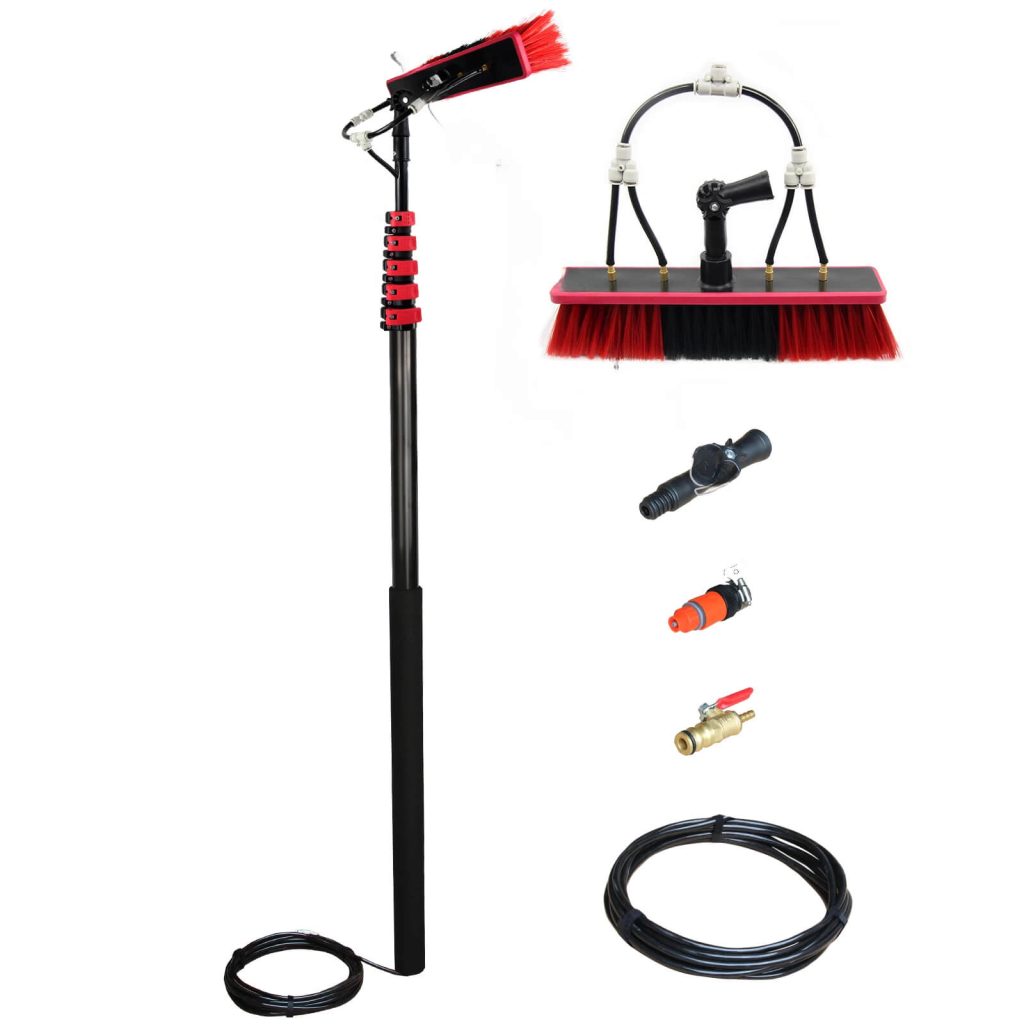
Proper setup prevents damage and saves time. Typically you connect the water source, secure fittings and accessories, test for leaks, and confirm steady flow before starting work.
Get a Custom Water Fed Pole Quote from Anbule
How to Connect the Water Fed Pole to the Pure Water System
Identify the pole inlet and purification unit outlet, fit a matching hose, and hand‑tighten fittings so they are snug but not over‑torqued. Turn water on slowly, check each joint for leaks, and confirm steady flow through the pole before cleaning.
How to Attach the Gooseneck and Brush Head Correctly
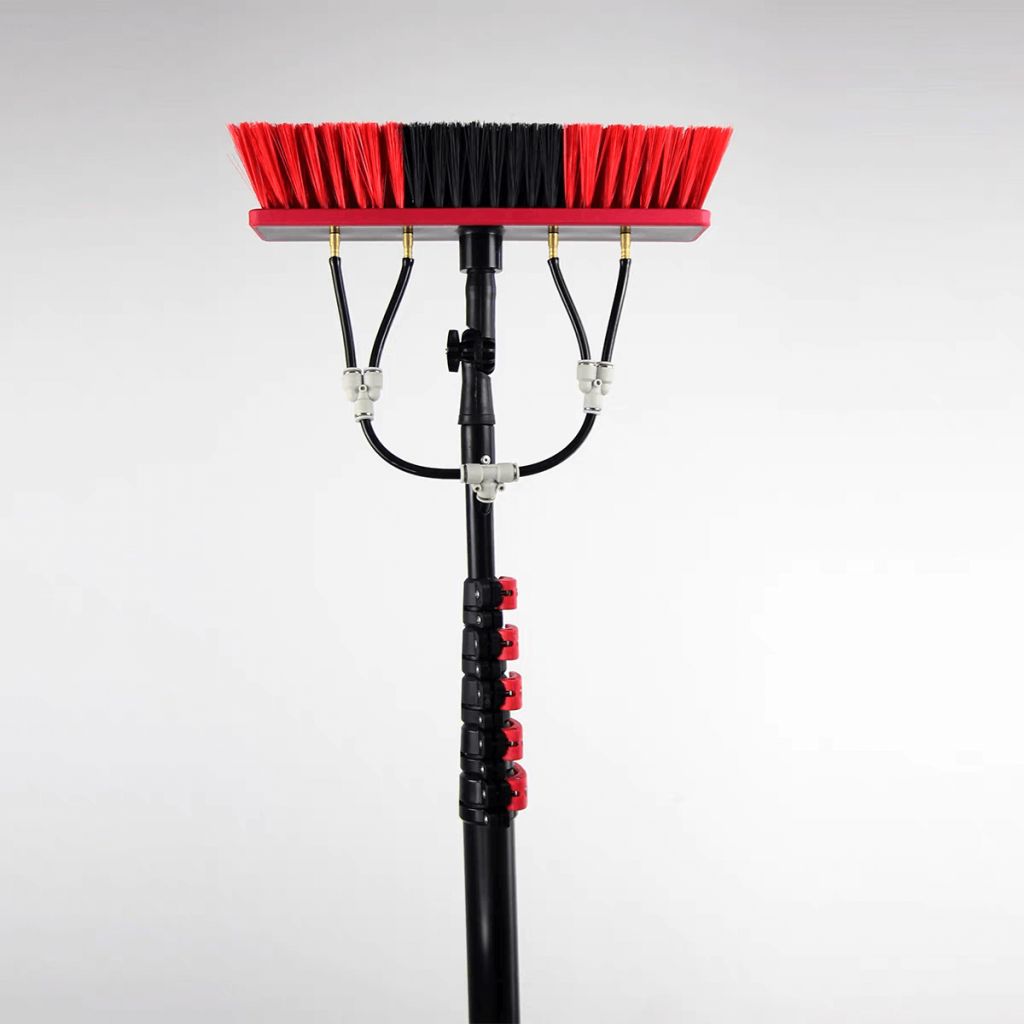
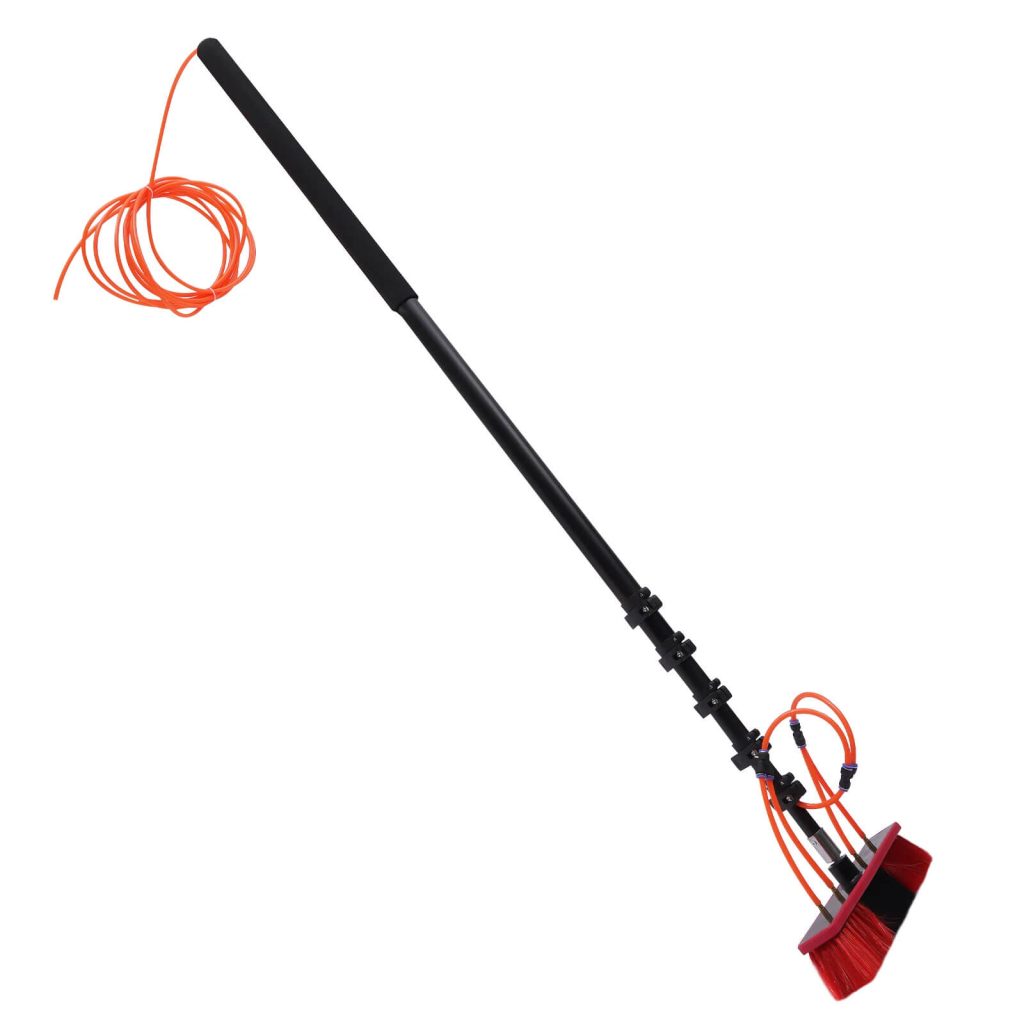
Seat the gooseneck firmly in the pole and attach the brush head at the angle suited to the surface. Secure clamps or threaded fittings. Proper alignment improves coverage and reduces wrist strain.
Which Techniques Ensure Effective and Streak-Free Water Fed Pole Cleaning?
Technique plus water quality determines final results: pick the right brush, apply consistent pressure, and rinse thoroughly with purified water to avoid mineral deposits.
What Are the Best Scrubbing and Rinsing Methods Using a Water Fed Pole?
Use soft‑to‑medium bristles to loosen dirt without scratching. Scrub in steady, overlapping passes, then rinse immediately with pure water to flush contaminants. Deliberate, even movements cut the chance of streaks.
How to Achieve Spot-Free Window Cleaning with Pure Water
Spot‑free finishes rely on very low TDS (aim under 10 ppm). Match brushing and rinsing to the glass type and keep brushes clean so you don’t redeposit dirt.
Research into advanced purification methods reinforces how critical pure water is for streak-free cleaning.
High-Purity Water System for Streak-Free Cleaning
This study describes a compact, low‑maintenance platform built to produce very low TDS water for sensitive applications. The authors combined electro‑deionization (EDI) with double‑pass reverse osmosis (RO), activated carbon, water softening and micron filtration to reach near‑zero dissolved solids and low conductivity.
Practical Analysis of Tap Water Dissolved Solids Efficient Reduction, MI Majid, 2023
What Are the Key Safety Practices When Using a Water Fed Pole?
Safety matters whenever you work at height or on uneven ground. The right PPE, stable footing, and routine checks reduce risk and help you focus on quality.
How to Minimize Risks and Use Personal Protective Equipment Effectively
Wear gloves, safety glasses and non‑slip footwear. Keep the area clear, watch for people and obstacles, inspect poles, hoses and fittings, and avoid use in high winds, lightning, or other hazardous weather.
What Are the Best Practices for Working at Height with a Water Fed Pole?
Use stable ladders or scaffolding when extra reach is required, secure equipment to prevent shifts, follow local safety rules, plan your approach, and have an emergency plan.
How Do You Maintain and Troubleshoot a Water Fed Pole for Longevity?
Routine maintenance reduces downtime: inspect parts, clean brush heads and pole sections, and replace worn components early to protect performance.
Get a Custom Water Fed Pole Quote from Anbule
How to Clean and Care for Brush Heads and Pole Sections
After each job rinse brush heads and inspect bristles. Wipe pole sections with a damp cloth and check locking collars and ferrules. Simple after‑use care prevents buildup and prolongs component life.
How to Inspect and Repair Hoses, Connectors, and Water Purification Systems
Check hoses and fittings for cracks, kinks or leaks and replace damaged parts. Maintain the purification unit per the manufacturer’s schedule to keep TDS low and flow steady; consult the manual or support when unsure.
Thoughtful system design matters. Studies on purification loops highlight the importance of materials and circulation for consistent water quality.
Purified Water System Design for Water Fed Poles
An ambient‑loop purified water system can be built with carbon and ion‑exchange beds, UV treatment and polishing filters to produce water that meets stringent USP specifications. A continuous, fully‑drainable loop using chemical‑resistant piping helps maintain consistent quality and simplifies maintenance.
An ambient water loop system for USP purified water, 1997
Regular upkeep keeps your water‑fed pole system reliable and helps you maintain spot‑free results.
A water‑fed pole streamlines cleaning for hard‑to‑reach areas and reduces ladder use. Follow the setup, technique, safety and maintenance advice here to keep your system performing. For custom telescopic poles and professional‑grade gear, Anbule designs and supplies poles for commercial cleaning applications.
How to Use a Water Fed Pole | FAQs
What types of surfaces can be cleaned with a water fed pole?
Water‑fed poles work well on glass, solar panels and smooth facades for streak‑free results, and with the right brush can be used on textured surfaces like brick or stucco. Match brush type and technique to avoid damage.
How often should I replace the brush head on my water fed pole?
Replace a brush head when bristles are frayed, misshapen or no longer clean effectively. Inspect after a few uses and swap as needed to preserve cleaning quality and prevent scratches.
Can I use tap water instead of purified water in my water fed pole system?
Tap water often contains minerals that leave spots and can clog components. For spot‑free results use purified water with very low TDS (typically under 10 ppm); if necessary, use a portable purification unit.
What should I do if my water fed pole is leaking?
Trace the leak to hoses, connectors or pole fittings and tighten or replace the faulty part. Regular inspections and early replacement of worn parts will prevent most leaks.
Are there specific weather conditions to avoid when using a water fed pole?
Avoid high winds, heavy rain and storms. Wind makes long poles hard to control and increases risk; work in calm, dry conditions whenever possible.
How can I improve my cleaning technique with a water fed pole?
Practice steady, overlapping scrubs and finish with a thorough pure‑water rinse. Experiment with brush angles and pressures for different surfaces and review results to refine your technique.
What are the benefits of using a water fed pole compared to traditional cleaning methods?
Water‑fed poles let you clean high areas safely from the ground, reducing ladder use and fall risk. Purified water reduces chemical use and delivers streak‑free finishes, making the method efficient and environmentally friendly for professional work.
Get a Custom Water Fed Pole Quote from Anbule
Conclusion
A properly set up and maintained water‑fed pole system improves cleaning efficiency and consistently delivers spot‑free results. Use the setup, technique, safety and maintenance practices in this guide to protect your equipment and improve outcomes. Contact our team for help selecting the right pole or purification gear.
 English
 Deutsch
 Français
 Polski
 Português do Brasil
 Español
 日本語
日本語 Русский
 العربية
 Italiano
 Nederlands
 Türkçe
 한국어
한국어