
A water fed pole system makes window cleaning faster, safer and less streaky. This guide explains the components, basic assembly, hose and purification hookups, and pre‑use checks so you can get consistent pure‑water results without guesswork.
Recent studies show that smart water‑circulation designs can boost cleaning efficiency and cut overall water use in building maintenance.
Water Circulation Systems for Efficient Window Cleaning
Many exterior wall maintenance tasks still rely on human labor and gondola systems, which create safety and efficiency challenges. This paper describes a new cleaning tool with an integrated water circulation cycle (injection → squeeze → suction → collection → filtering → recharge) plus PWM flow control. The design reduced scattering and dripping and cut water use by roughly 20%, demonstrating a practical route to safer, more efficient façade cleaning.
Window cleaning system with water circulation for building façade maintenance robot and its efficiency analysis, CY Shin, 2015
What Are the Key Components of a Water Fed Pole System?
A water fed pole system is a set of coordinated parts. Knowing each component speeds setup and helps with troubleshooting.
Get a Custom Water Fed Pole Quote from Anbule
Which Parts Make Up Anbule’s Custom Water Fed Pole System?
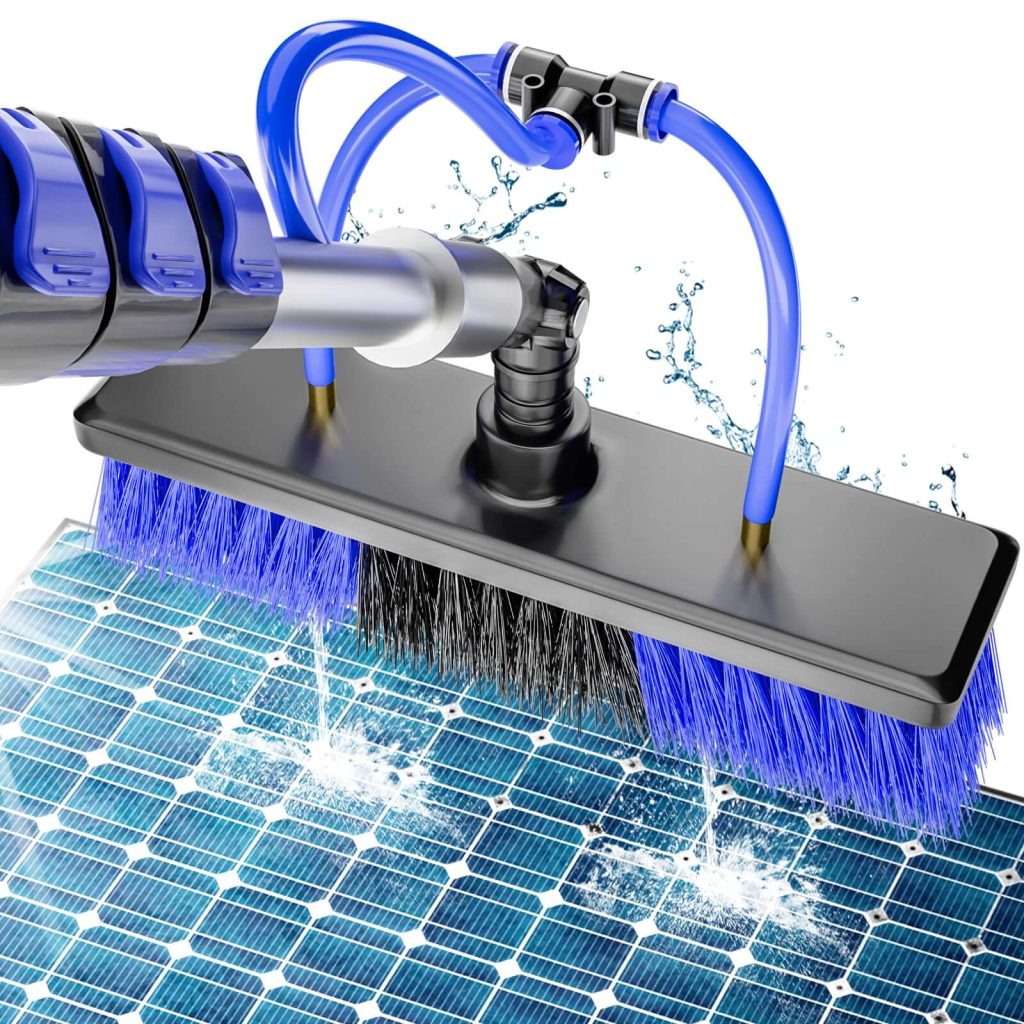
Anbule’s custom water‑fed pole setups pair lightweight hardware with reliable purification. Core components include:
- Telescopic Pole: Carbon fiber or aluminum sections that extend smoothly and hold the brush steady.
- Brush Head: Soft, non‑abrasive bristles to lift dirt without scratching glass.
- Gooseneck: Swivel link that sets the cleaning angle on tricky surfaces.
- Water Purification Unit: RO/DI or similar filtration to supply low‑mineral water for streak‑free drying.
Each part is configurable—swap brush types, choose pole length, or match purification capacity to the job.
How Do Carbon Fiber and Aluminum Poles Differ in Setup?
Pole material affects handling and cost. Pick the material that matches your workload and budget.
- Weight: Carbon fiber is lighter and reduces fatigue on long jobs.
- Durability: Carbon resists corrosion and flex better; aluminum is sturdy but can dent.
- Cost: Carbon fiber is pricier but offers performance advantages.
For frequent, long shifts choose carbon fiber; for occasional jobs aluminum can be more economical.
How Do You Assemble and Configure the Telescopic Pole and Brush?
Proper assembly keeps the pole stable and the brush effective. Complete these steps before adding water or power.
What Are the Steps to Extend and Lock the Telescopic Pole?
- Extend the Pole: Pull each section out to the needed height, largest to smallest.
- Lock the Sections: Secure twist or clamp locks so sections won’t collapse.
- Check for Stability: Gently shake the pole to confirm joints are secure.
Correct extension and locking prevent wobble and keep brush contact even across the glass.
How to Attach and Adjust the Brush Head and Gooseneck?
- Attach the Brush Head: Slide the brush onto the gooseneck and fasten the collar or pin.
- Adjust the Angle: Set the gooseneck to the working angle; small changes help on curved or sloped glass.
- Test the Setup: Move the brush through its range to ensure smooth pivoting and secure locks.
A secure, well‑angled brush improves reach and reduces repeated passes.
How to Connect the Water Purification System and Hose for Optimal Performance?
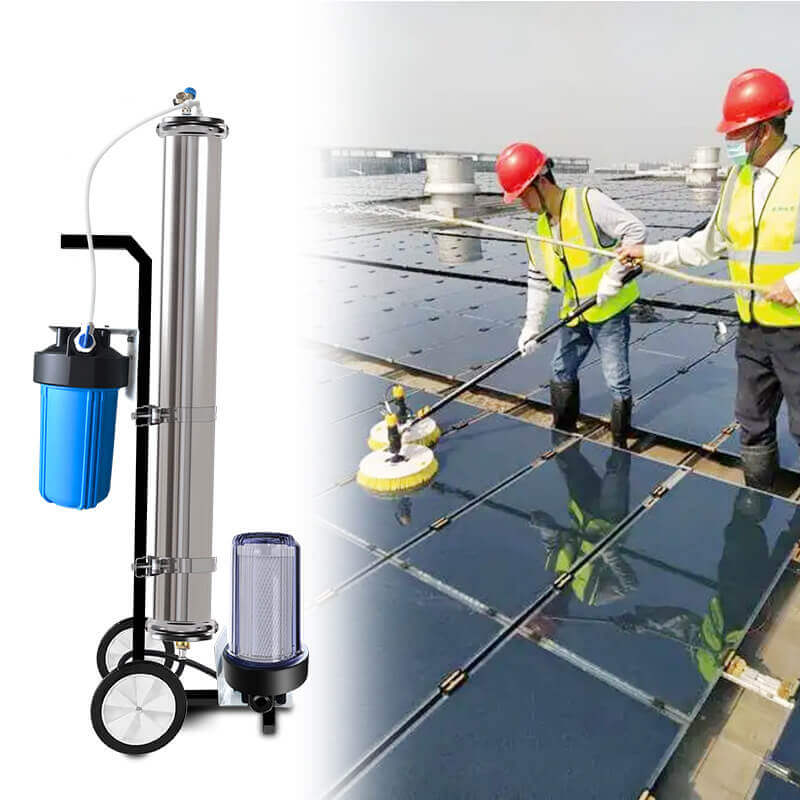
Correctly placing and connecting the RO/DI unit and hose ensures steady, low‑TDS water at the brush for streak‑free cleaning.
Get a Custom Water Fed Pole Quote from Anbule
What Is the Process for Setting Up the RO/DI Purification Unit and Pump?
- Position the Purification Unit: Put the RO/DI on a stable surface near the water source and power.
- Connect the Water Supply: Attach the inlet hose securely and check fittings for leaks.
- Power the Pump: Plug in and start the pump; allow the unit to begin filtering before running hose lines.
Place the unit where filters and gauges are accessible to simplify maintenance.
How to Route and Secure the Water Fed Hose to the Pole?
- Attach the Hose: Connect the purified water hose to the pole inlet with the correct fitting.
- Route the Hose: Run the hose along the pole, avoiding tight bends or kinks.
- Secure the Hose: Use clips, wraps or cable ties so the hose won’t catch or twist while working.
A neatly routed hose keeps flow steady and reduces strain on fittings.
What Are the Final Steps for Testing and Operating Your Water Fed Pole System?
Before cleaning, perform a quick system check to confirm water quality and mechanical reliability.
How to Perform Initial System Flush and TDS Testing?
- Flush the System: Run water for a few minutes to clear lines and air.
- Test TDS Levels: Measure total dissolved solids with a TDS meter; aim for under 30 ppm.
- Adjust as Necessary: If readings are high, check filters, cartridge life and flow rates before starting work.
Confirming low TDS and good flow prevents spotting and gives the best finish.
What Are Best Practices for Safe and Efficient Operation?
- Wear Protective Gear: Use gloves and eye protection against splashes and debris.
- Check Equipment Regularly: Inspect poles, brushes and purification units for wear or loose fittings.
- Follow Manufacturer Guidelines: Observe pressure limits and maintenance schedules.
Routine checks and good habits keep operators safe and equipment reliable.
The wider effects of automation and new tools—like water fed pole systems—on cleaning jobs and workflows remain an active area of research.
Technology’s Impact on Cleaning Industry Efficiency
The cleaning sector is essential to public health, but worker experiences with new technologies are not yet well documented. The COVID‑19 pandemic sped up adoption of automated and advanced sanitation tools, including cleaning robots. Research finds that technology can reduce physical strain and improve job quality, but gaps in training and support remain. Tailored training programs are key to helping workers adapt and to capture the full benefits of technological change.
A phenomenological exploration of cleaning industry workers’ experiences in the era of technical advancements, 2025
How to Set Up a Water Fed Pole System | FAQs
Get a Custom Water Fed Pole Quote from Anbule
What are the benefits of using a water fed pole system compared to traditional cleaning methods?
It uses purified water to remove dirt without chemicals, delivers a streak‑free finish, allows safer ground‑level cleaning of high windows, and speeds jobs while reducing labor intensity.
How often should I replace the components of my water fed pole system?
Lifespan varies by use. Brushes often need replacement in 6–12 months; poles last years with care. Follow the purification unit’s filter schedule (commonly 6–12 months).
Can I use a water fed pole system for cleaning surfaces other than windows?
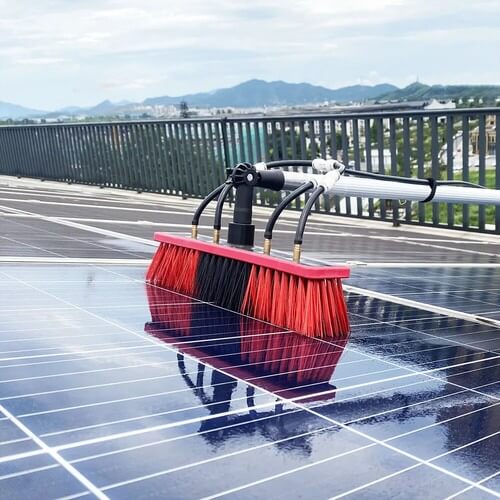
Yes — solar panels, conservatories and some façades can be cleaned. Use the appropriate brush and pressure and test a small area first.
What safety precautions should I take when using a water fed pole system?
Wear gloves and eye protection, clear trip hazards, keep stable footing and inspect equipment before use. Follow manufacturer safety instructions.
How do I maintain the water purification unit in my system?
Replace cartridges and filters per the manufacturer, clean housings to prevent buildup, and monitor TDS to ensure proper performance.
What should I do if my water fed pole system is not producing purified water?
Check water supply, power and fittings first. Inspect filters and the pump, and ensure hoses are leak‑free. If problems persist, consult the troubleshooting guide or support.
Conclusion
A correctly set up water fed pole system yields faster, safer, streak‑free cleaning while reducing chemicals and labor. Maintain filters, route hoses neatly, and follow manufacturer guidance to keep the system performing well. Explore Anbule’s water fed pole options to upgrade your workflow.
 English
 Deutsch
 Français
 Polski
 Português do Brasil
 Español
 日本語
日本語 Русский
 العربية
 Italiano
 Nederlands
 Türkçe
 한국어
한국어