
Clean panels run better and last longer, but do you need to shut down before cleaning? This guide explains safety concerns and practical best practices so you can clean panels effectively while minimizing risk, including when to shut down and safer tools and systems.
Is It Necessary to Turn Off Solar Panels Before Cleaning?
Powering down or using rapid shutdown reduces shock risk. Panels produce electricity in sunlight, and water or metal tools can create conductive paths if the array is live. When unsure, assume the system is energized and follow safe shutdown procedures.
Get a Custom Solar Panel Washing Machine Quote from Anbule
What Are the Electrical Safety Risks During Solar Panel Cleaning?
The main hazard is electric shock: live panels can energize water, tools, or exposed wiring. Use insulated tools, wear appropriate personal protective equipment (PPE), and follow electrical safety practices. Plan the work and confirm the system is safe before starting.
Recent research reinforces the need to consider both electrical and mechanical hazards whenever you maintain or clean PV arrays.
Solar Panel Cleaning: Electrical & Mechanical Safety Risks
This paper reviews common safety risks encountered during maintenance and cleaning of solar panels, with attention to mechanical hazards and electrical issues in building-integrated photovoltaic systems. It emphasizes preventive steps and proper procedures for safe service.
SAFETY RISKS AND MEASURES IN THE MAINTENANCE AND CLEANING OF SOLAR PANELS, DB Rakhimov, 2025
How Do Modern PV Systems Facilitate Safe Shutdowns?
Many PV systems include rapid-shutdown or other safety mechanisms that reduce array voltage for maintenance. Test shutdown devices regularly and learn how to activate them before cleaning.
What Are the Best Practices for Safely Cleaning Solar Panels?
Adopt a few simple habits: pick the right time, use gentle tools, and follow a consistent technique to protect glass and frames.
- Timing: Clean during cooler parts of the day—early morning or late afternoon—to avoid thermal stress on glass and coatings.
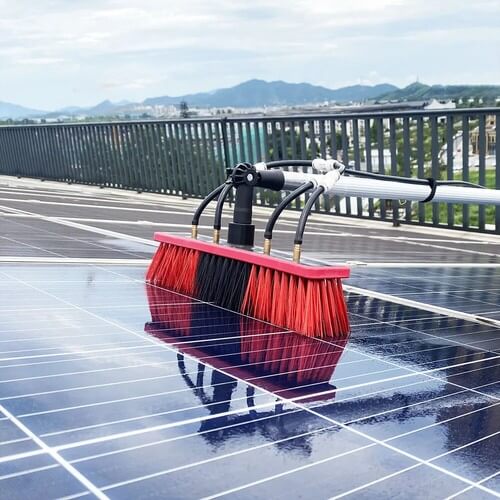
- Equipment: Use soft brushes, water-fed poles, and non-abrasive, eco-friendly cleaners to protect the panel surface.
- Technique: Work top to bottom and rinse so dirt flows off without leaving streaks or residue.
How to Prevent Thermal Shock and Damage During Cleaning?
Avoid cleaning hot panels; wait for cooler hours so temperature changes are gradual. Use mild, panel-safe solutions—avoid harsh chemicals that can degrade coatings—to remove grime without harming performance.
Which Safety Protocols Should Professional Cleaners Follow?
Professional teams follow repeatable safety steps:
- Personal Protective Equipment (PPE): Gloves, eye protection, and footwear with good grip are standard.
- Training and Certification: Technicians should be trained in both fall protection and electrical safety for PV systems.
- Emergency Procedures: Keep a clear plan for on-site incidents, with first-aid readiness and defined evacuation routes.
What Equipment Ensures Safe and Efficient Solar Panel Cleaning?
Picking the right tools cuts risk and improves results. Below are common options that pros rely on.
These tools help you clean more safely and maintain peak panel performance over time.
How Does Anbule’s Solar Panel Washing Machine Enhance Safety?
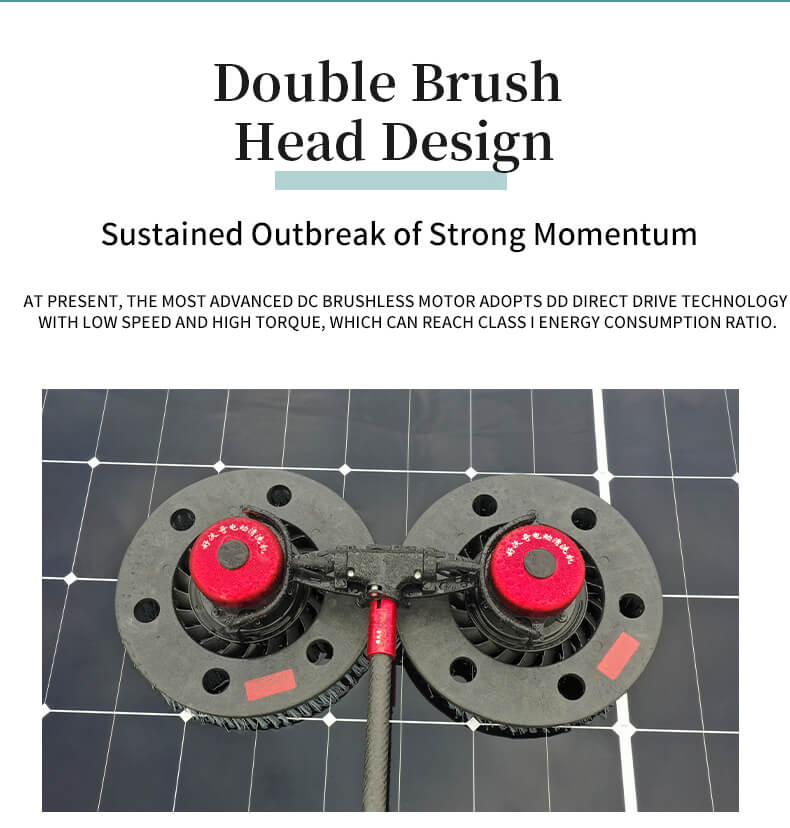
Anbule’s solar panel washing machine is designed to minimize operator exposure. It helps technicians clean from a safer distance while delivering consistent results and reducing electrical and fall hazards during maintenance.
What Are the Benefits of Carbon Fiber Telescopic Poles in Cleaning?
Carbon-fiber poles are prized for serious cleaning jobs because they combine strength with low weight:
- Lightweight and Durable: Easy to handle and resistant to wear.
- Extended Reach for Safety: Reach high arrays without using ladders.
- Reduced Operator Fatigue: Less strain during long cleaning sessions.
How Can Automated and Commercial Cleaning Improve Safety and Efficiency?
Automated and commercial cleaning solutions reduce human exposure to hazards and keep panels consistently clean—especially useful for large installations where manual cleaning is slow or risky.
- Advantages of Semi-Automatic Cleaning Systems: These systems reduce human intervention and lower accident risk.
- Cost-Effectiveness of Commercial Cleaning: Hiring pros saves time and ensures consistent care.
- Impact on Energy Output: Regular, thorough cleaning helps sustain higher energy production and improves long-term ROI.
Get a Custom Solar Panel Washing Machine Quote from Anbule
What Are the Advantages of Semi-Automatic Cleaning Systems?
Semi-automatic systems deliver several practical benefits:
- Speed and Coverage: They clean large areas quickly and consistently.
- Built-in Safety: Many models include features that limit operator risk.
- Ease of Use: Designed for straightforward operation with minimal training.
Recent studies highlight how wireless controls and semi-automated designs improve both safety and operational efficiency for PV maintenance.
Automated & Manual Solar Panel Cleaning for Safety
This work reviews wireless-control semi-automated cleaning approaches and compares them to manual methods, focusing on large-scale maintenance and safety enhancements.
Solar-Shine: An IOT based Semi-Automated Solar Panel Cleaning Robot., 2024
How Does Professional Cleaning Maximize Energy Output and ROI?
Professional cleaning services ensure panels are cleaned on a schedule that preserves output. Clean panels commonly produce more energy, so scheduled cleaning is a sensible long-term investment.
Evidence consistently shows that targeted cleaning strategies, including automated options, are effective at reducing soiling and improving energy capture.
Boost Solar Efficiency with Automated Cleaning Solutions
This review assesses soiling-prevention methods and explores a water-free automated cleaning device as a means to increase energy capture from solar panels.
Review of yield increase of solar panels through soiling prevention, and a proposed water-free automated cleaning solution, D Deb, 2018
Do You Need to Turn Off Solar Panels to Clean | FAQs
What should I do if my solar panels are covered in snow or ice?
Panels often shed snow as they warm. For heavy snow, use a soft brush or a solar snow rake—never pry or use sharp tools that could scratch the glass. Prioritize safety and avoid climbing on slippery roofs when possible.
How often should I clean my solar panels?
Frequency depends on local conditions. At least twice a year is common; dusty or high-soiling areas need more frequent attention. Monitor output and visible buildup to set the right schedule.
Can I use regular household cleaners on my solar panels?
Avoid harsh household chemicals that contain abrasives or solvents. Choose eco-friendly, non-abrasive cleaners made for solar glass, or use plain water and a soft brush when in doubt.
What are the signs that my solar panels need cleaning?
Visible dirt, bird droppings, or a noticeable drop in energy production are clear signs your panels need cleaning.
Is it safe to clean solar panels myself?
Homeowners can clean safely with the right tools, PPE, and precautions. Avoid steep or wet roofs, shut down or isolate the system when appropriate, and hire professionals if you’re unsure about electrical or height risks.
What should I do if I notice damage while cleaning my solar panels?
If you find cracks, loose mounts, or exposed wiring, stop immediately. Photograph the issue, secure the area, and contact a qualified solar technician for inspection and repair.
Conclusion
Regular, careful cleaning preserves output and extends system life. Prefer cooler hours, gentle tools, and approved cleaners; use shutdown features or hire professionals when needed. For large or recurring jobs, automated or commercial cleaning is often the safer, more cost-effective choice.
 English
 Deutsch
 Français
 Polski
 Português do Brasil
 Español
 日本語
日本語 Русский
 العربية
 Italiano
 Nederlands
 Türkçe
 한국어
한국어