
Keeping solar panels clean is key to preserving output and service life. Home remedies like dish soap are a common question: are they safe and effective for commercial arrays? This article outlines the risks of using dish soap, recommended cleaning approaches, and how professional systems can protect your investment. You’ll also find practical maintenance tips for large-scale PV installations.
Why Is Dish Soap Not Recommended for Cleaning Solar Panels?
Dish soap is common, but not the best choice for solar modules. Household formulas can leave residues, alter surface properties, and—if not fully rinsed—reduce light transmission. Over time, those effects can lower output and, in some cases, damage protective coatings.
Get a Custom Water Fed Pole Quote from Anbule
What Residue and Damage Can Dish Soap Cause on Solar Panels?
Many dish soaps contain surfactants and additives that can form a thin film on glass or anti-reflective coatings. That film blocks sunlight and attracts more dirt, so panels can foul faster. While dish soap rarely causes immediate corrosion, repeated improper cleaning and residue buildup can accelerate wear on protective layers and reduce performance.
How Does Dish Soap Affect Solar Panel Warranty and Efficiency?
Manufacturers typically specify approved cleaning methods; using unlisted agents like household dish soap can risk voiding warranty coverage. Even if warranties remain valid, soap residue can lower energy yield by blocking light and increasing soiling, which raises operating costs and reduces return on investment.
What Are Safe and Professional Solar Panel Cleaning Methods?
For commercial systems, use cleaning methods and products designed for PV. Professionals combine specialized solutions, filtered water, and mechanized tools to remove grime without leaving film or damaging coatings. The right approach preserves performance and extends asset life.
Which Cleaning Agents Are Safe for Commercial Solar Panels?
Safe options include mild biodegradable detergents made for solar cleaning and proprietary solar cleaning formulations. These are engineered to rinse clean and not interfere with anti-reflective or hydrophobic coatings. When possible, use distilled or deionized water to avoid mineral spotting from hard tap water.
How Do Professional Cleaning Systems Like Anbule’s Washing Machine Work?
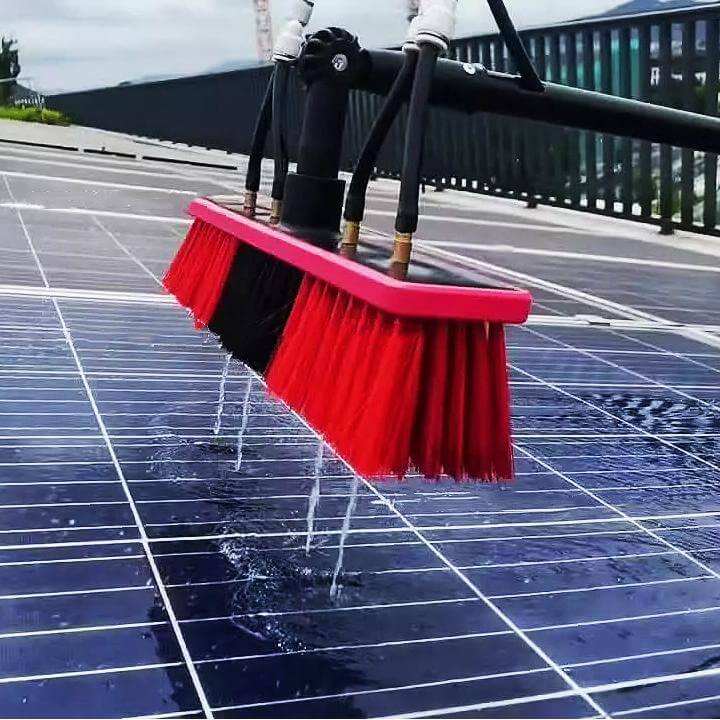
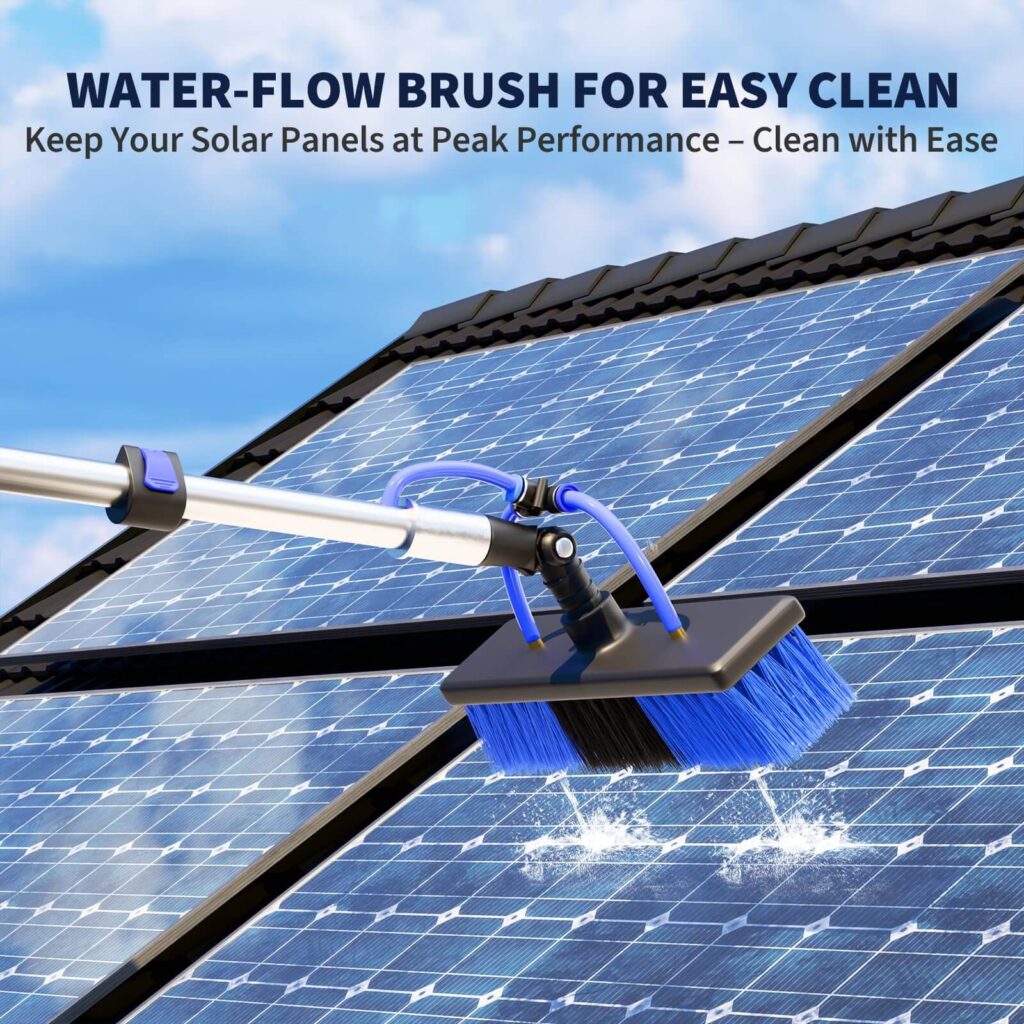
Anbule’s solar panel washing machines combine controlled water delivery and brush systems to remove deposits while protecting module surfaces. Automated units reduce human error, provide consistent coverage, and deliver a repeatable clean that’s safe for commercial PV fields.
Recent studies and surveys of cleaning technologies show a wide range of automated and material-based approaches for managing soiling while conserving water and energy.
Advanced, Automated Solar Panel Cleaning Technologies
A broad review of cleaning strategies covers conventional washing, robotic brush systems, and material solutions such as hydrophilic/hydrophobic coatings. The study evaluates dust mitigation methods with attention to water use and energy impacts.
A comprehensive investigation of solar panel cleaning technologies: A review study, MT Akkoyunlu, 2021
How Does Using Anbule’s Solar Panel Washing Machine Improve Cleaning Outcomes?
Deploying an Anbule washing machine improves cleaning consistency and protects module coatings. The system is designed to maximize cleanliness while minimizing downtime and the risk of surface damage, so panels perform closer to their rated output over time.
What Features Make Anbule’s System Suitable for Commercial PV Cleaning?
Anbule’s solar panel washing machine includes several key features that make it ideal for commercial use:
How Does Automated Cleaning Maximize ROI and Protect Solar Assets?
Automated cleaning systems like Anbule’s reduce manual labor, cut downtime, and keep panels at higher average efficiency — all of which boost lifetime energy production and ROI. Regular professional cleaning also helps avoid premature wear, lowering replacement and repair costs. For service inquiries, see our contact page.
What Are Best Practices for Maintaining Commercial Solar Panels?
Commercial maintenance combines scheduled cleaning with safety and environmental controls. A consistent plan preserves performance and minimizes risk to personnel and equipment.
Get a Custom Water Fed Pole Quote from Anbule
How Often Should Commercial Solar Panels Be Cleaned?
Cleaning frequency depends on site conditions. As a guideline, inspect and clean panels at least once or twice a year; in dusty, pollen-heavy, or bird-prone locations, increase the cadence to keep generation near nameplate levels.
What Safety and Environmental Considerations Should Operators Follow?
Follow safety procedures, use eco-friendly cleaning agents, and manage water and runoff per local rules. Proper training, fall protection, and correct equipment handling protect people and the environment while maintaining asset integrity.
Can You Use Dish Soap to Clean Solar Panels | FAQs
Can I use vinegar or baking soda as alternatives to dish soap for cleaning solar panels?
Vinegar and baking soda are common household cleaners, but they aren’t recommended for PV modules. Vinegar’s acidity can harm protective coatings, and baking soda is abrasive. Stick with approved solar cleaning solutions that rinse clean and won’t leave residue.
What are the signs that my solar panels need cleaning?
Look for a drop in energy output, visible dirt or dust, and bird droppings or pollen on the surface. Panels that look dull or hazy usually benefit from cleaning to restore optimal light absorption.
Are there any DIY methods for cleaning solar panels safely?
For small systems, use a soft brush or sponge, mild biodegradable soap formulated for PV, and distilled water. Rinse thoroughly to avoid films and clean during cooler hours to prevent spotting. For large or high installations, hire professionals for safety and comprehensive results.
How can I prevent dirt accumulation on my solar panels?
Install panels at an angle that allows natural rain washing, schedule periodic inspections, and consider surface treatments designed to reduce soiling. These steps lower cleaning frequency and help maintain production.
What should I do if my solar panels are damaged during cleaning?
If damage occurs, document it with photos, stop any further cleaning, and contact the manufacturer or installer immediately. Keep records of the cleaning methods used — warranty coverage can depend on using approved procedures.
Is it safe to clean solar panels myself, or should I hire a professional?
DIY cleaning is feasible for small, ground-level systems if you follow safety guidance and use proper materials. For commercial arrays, professional services are recommended: they bring specialized equipment, trained crews, and procedures that protect both people and panels.
Conclusion
Dish soap may seem convenient, but it’s not the ideal choice for commercial solar cleaning. Use approved cleaners, filtered water, and professional equipment to avoid residue, protect warranties, and keep your array producing reliably. Regular, properly executed maintenance preserves output and extends asset life — and Anbule’s solutions are built specifically to deliver those outcomes.
 English
 Deutsch
 Français
 Polski
 Português do Brasil
 Español
 日本語
日本語 Русский
 العربية
 Italiano
 Nederlands
 Türkçe
 한국어
한국어