
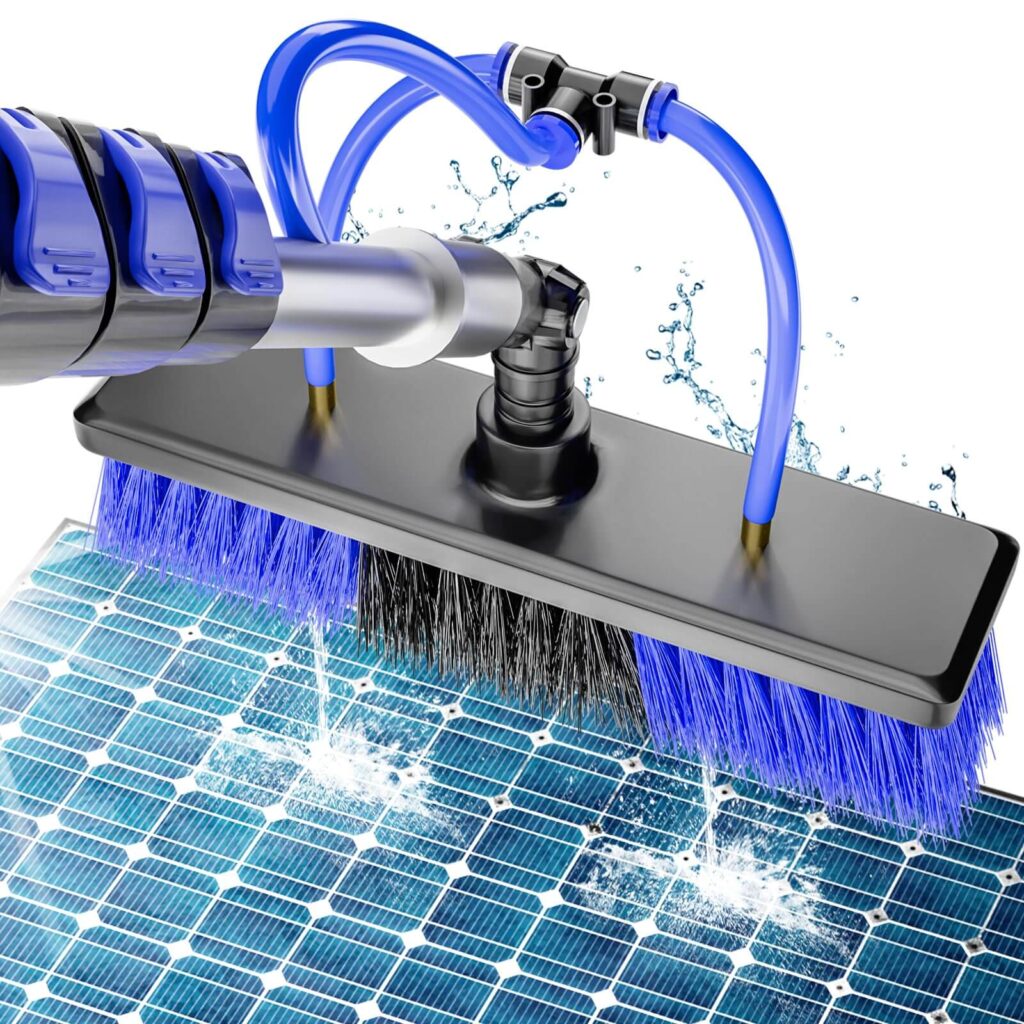
Walking directly on solar panels to clean them is a common question for homeowners and maintenance teams. It may seem quick and practical, but stepping on panels risks both your safety and the panel’s performance. This article explains why walking on panels is discouraged, outlines safer cleaning options and maintenance best practices, and shows how Anbule’s equipment supports damage-free cleaning. Protect your system’s lifespan and keep energy production steady by following recommended methods.
Why Is Walking on Solar Panels Discouraged?
Walking on solar panels is discouraged because panels aren’t engineered to bear a person’s weight across their glass surface. Applying point pressure—especially while shifting weight—can create cracks, hairline fractures or scratches that undermine the panel’s structural integrity. Beyond the risk to the hardware, cleaning panels on a roof raises obvious fall and slip hazards for the person doing the work.
Get a Custom Water Fed Pole Quote from Anbule
What Damage Can Walking Cause to Solar Panels?
Pressure from footsteps can produce visible cracks, microfractures or surface scratches. Those defects reduce the panel’s ability to collect sunlight evenly and can create hot spots or other electrical issues. Over time, small surface injuries add up, accelerating wear and increasing the likelihood of expensive repairs or full replacements.
How Does Walking Affect Solar Panel Durability and Efficiency?
Damage from walking doesn’t just show up visually — it can lower energy output. Even minor microfractures can interrupt conductive paths or create shading effects that reduce efficiency. Estimates for loss vary with the damage type and panel model; larger efficiency declines (sometimes cited around 20%) are usually tied to severe physical damage or heavy soiling rather than tiny, isolated scratches. Still, any avoidable harm can raise long-term maintenance costs and shorten service life, so noninvasive cleaning methods are strongly recommended.
What Are Safe Alternatives to Walking on Solar Panels for Cleaning?
There are reliable alternatives that protect both people and panels. The right tools and methods remove dirt without transferring weight to the glass and reduce the chance of slips or accidental impacts during service.
How Do Telescopic Poles Improve Solar Panel Cleaning Safety?
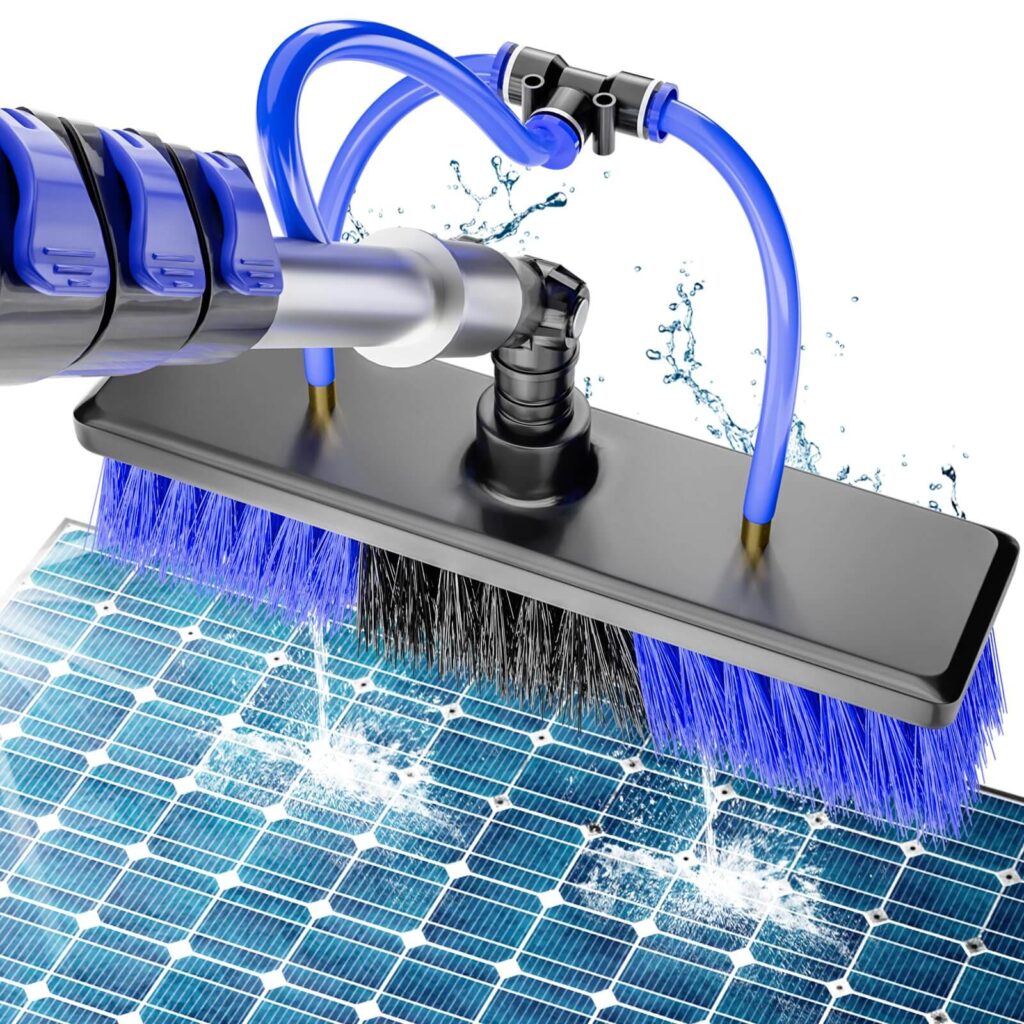
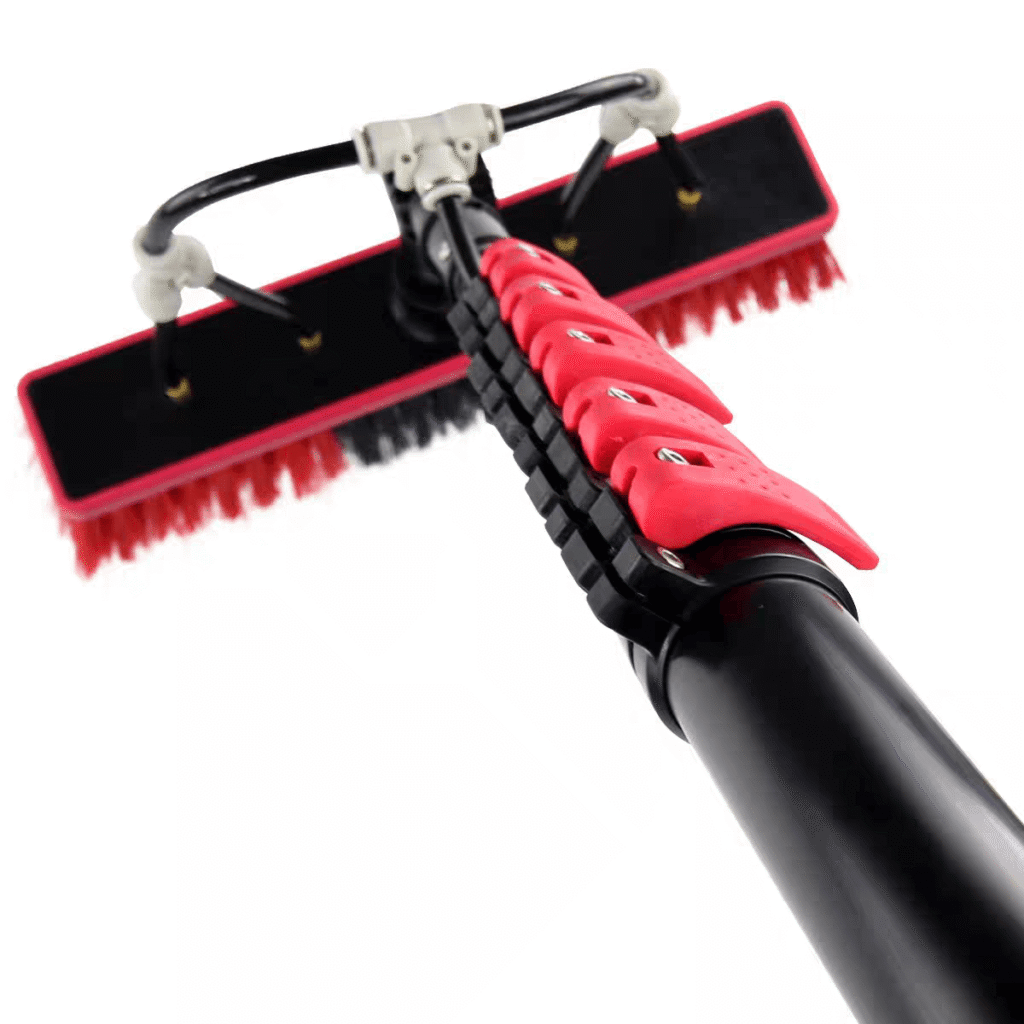
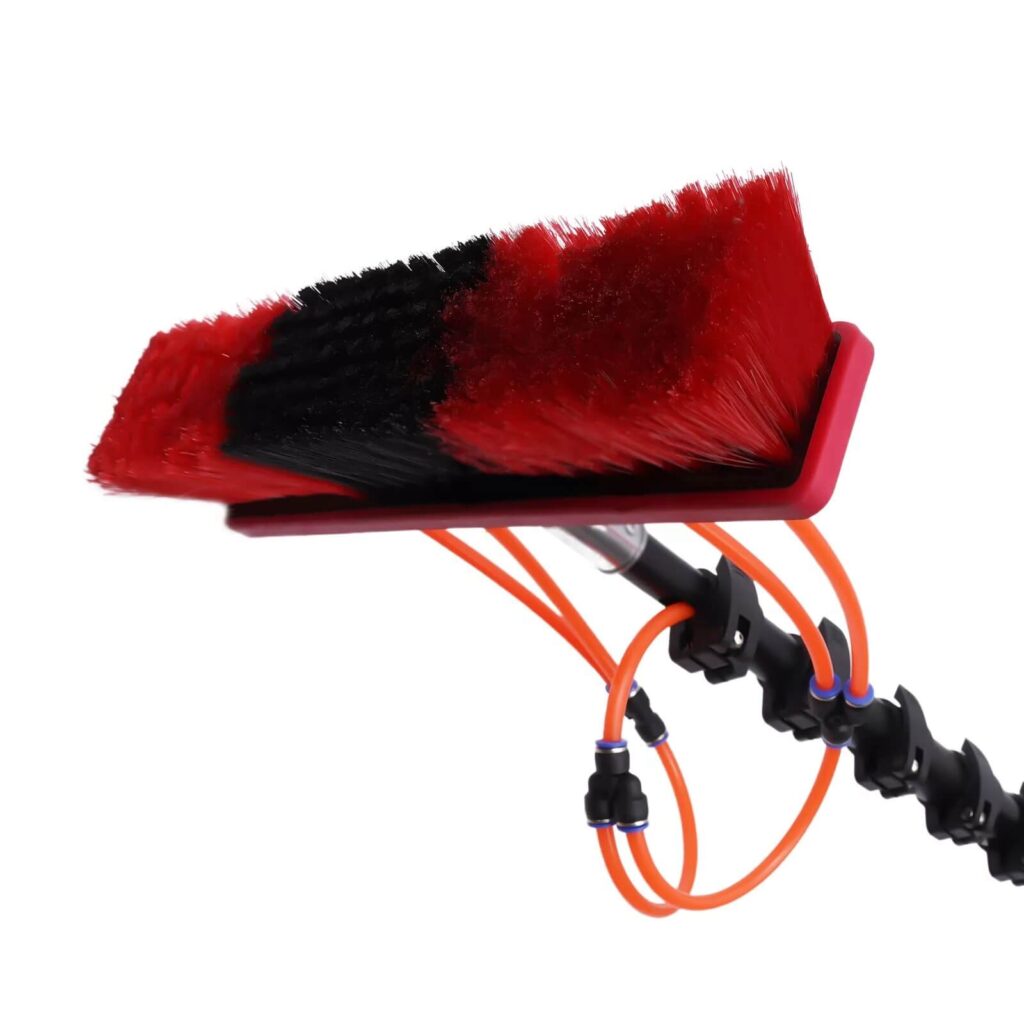
Telescopic poles let you reach rooftop arrays from the ground or a safe ladder position, eliminating the need to step on panels. Well-made poles include non-slip grips, secure locking mechanisms and adjustable lengths so you can work comfortably at different heights. Paired with soft brush heads or squeegees, they make routine cleaning quick, controlled and far less risky.
What Role Do Solar Panel Washing Machines Play in Non-Invasive Cleaning?
Solar panel washing machines provide a hands-off, consistent cleaning option. These systems use soft brushes, low-pressure water jets and controlled rinsing to remove grime without abrasive contact. Because they cover wide areas efficiently and operate with minimal force, they often outperform manual methods while preserving the panels’ protective coatings and electrical integrity.
What Are the Best Practices and Safety Guidelines for Solar Panel Maintenance?
Good solar maintenance combines the right schedule, safe procedures and proper equipment. Following established safety practices protects workers and preserves panel performance over the long term.
Get a Custom Water Fed Pole Quote from Anbule
Which Safety Standards Should Professional Cleaners Follow?
Professional cleaners should follow recognized safety protocols, including wearing appropriate PPE, using fall protection when required, and complying with manufacturer cleaning instructions. Regular equipment inspections and using tools rated for the job help prevent accidents and avoid unintended damage to panels.
How Often Should Solar Panels Be Cleaned to Maintain Efficiency?
Cleaning frequency depends on your local environment—dust, pollen, bird droppings and pollution all influence buildup. A common guideline is once or twice a year for most locations; more frequent cleaning may be needed in dusty or industrial areas, or after major storms. Regular visual inspections will tell you when panels need attention to sustain peak performance.
How Does Anbule Support Safe Solar Panel Cleaning with Specialized Equipment?
Anbule designs tools and systems that prioritize safety, ease-of-use and panel protection. Our products help cleaning teams work efficiently without stepping on panels or applying damaging pressure.
What Features Make Anbule’s Telescopic Poles Ideal for Solar Panel Cleaning?
Anbule’s telescopic poles are built from durable, lightweight materials for stable reach and long service life. They lock securely at multiple lengths and accept a wide range of soft brush and squeegee attachments, so technicians can adapt the tool to each job safely and quickly. Non-slip grips and corrosion-resistant finishes add practical reliability in the field.
How Can B2B Clients Benefit from Anbule’s Cleaning Equipment Partnerships?
B2B partners gain reliable, service-focused equipment and options for customization to match their workflows. Anbule supports bulk purchasing, tailored attachments and responsive after-sales service so businesses can scale operations without sacrificing safety or quality. That combination of efficiency, cost control and technical support makes partnership attractive to commercial installers and maintenance providers.
Can You Walk on Solar Panels to Clean Them | FAQs
Can I use regular cleaning products on solar panels?
Avoid household cleaners with harsh chemicals or abrasives—they can strip coatings or leave residues that reduce performance. Use plain water with a mild soap or a purpose-made solar panel cleaner, and always rinse thoroughly to prevent streaks or buildup.
What time of year is best for cleaning solar panels?
Spring and fall are usually the easiest times to clean panels—temperatures are milder and pollen or seasonal debris can be removed before it builds up. Also consider cleaning after heavy pollen seasons, dust storms or major storms that deposit debris.
Are there any DIY methods for cleaning solar panels?
Yes. A telescopic pole with a soft brush or squeegee and a gentle garden-hose rinse is a safe DIY approach that avoids climbing onto panels. Don’t use abrasive pads, harsh chemicals or high-pressure washers, and stop if you’re unsure—call a professional for complex or high installations.
What should I do if I notice damage on my solar panels?
If you spot cracks, discoloration or hot spots, cease using the affected array if possible and arrange a professional inspection. A certified technician can assess whether repairs or replacements are needed and advise on safe next steps. Early intervention helps prevent larger performance losses.
How can I ensure my solar panels are safe from debris?
Install deterrents like bird guards or mesh where appropriate, trim nearby trees to limit leaves and branches, and schedule periodic inspections to remove accumulated debris. Proactive site management reduces cleaning frequency and protects panel output.
What are the environmental benefits of keeping solar panels clean?
Clean panels operate closer to their rated output, generating more renewable electricity and reducing dependence on fossil fuels. Keeping arrays well-maintained extends their usable life and supports lower lifecycle emissions—so routine care delivers both performance and environmental gains.
Get a Custom Water Fed Pole Quote from Anbule
Conclusion
Protecting your solar investment starts with safe cleaning practices. Avoid walking on panels and use noninvasive tools—like telescopic poles or dedicated washing systems—to preserve efficiency and lifespan. Following these best practices reduces risk and long-term costs. If you’re ready to upgrade your cleaning routine, explore Anbule’s range of specialized equipment to find solutions built for safety and performance.
 English
 Deutsch
 Français
 Polski
 Português do Brasil
 Español
 日本語
日本語 Русский
 العربية
 Italiano
 Nederlands
 Türkçe
 한국어
한국어