
Keeping solar panels clean protects performance and extends lifespan. White distilled vinegar is a low-cost, widely available option many homeowners consider because it’s natural and easy to source. This guide explains when vinegar is appropriate, when to choose another cleaner, and how to use it safely with tools such as telescopic poles and panel-specific brushes. It also covers environmental considerations and how vinegar can fit into commercial maintenance routines.
Is Vinegar a Safe and Effective Cleaning Agent for Solar Panels?
White distilled vinegar contains acetic acid, which can dissolve light grime and mineral deposits without the harsh additives in some chemicals. However, strong concentrations or prolonged contact can affect anti-reflective or protective coatings. Diluted and applied correctly, vinegar is useful for routine cleaning; used improperly, it can cause damage. Proper dilution and technique are essential.
Get a Custom Water Fed Pole Quote from Anbule
What Are the Benefits and Risks of Using Vinegar for Solar Panel Maintenance?
Using vinegar for solar panel maintenance offers several benefits:
- Eco-Friendly: Biodegradable and less likely to introduce toxic runoff.
- Cost-Effective: Cheaper than many specialty cleaners.
- Low Toxicity: Safe to handle when diluted.
But there are risks to consider:
- Coating Sensitivity: Undiluted vinegar or long exposure can harm protective or anti-reflective coatings.
- Limited Strength: Best for light soiling; heavy grime or bird droppings often need stronger, purpose-made cleaners.
Balance these pros and cons to decide whether vinegar suits your cleaning needs.
Many sustainable-living guides highlight homemade cleaners like vinegar for their low cost and environmental advantages.
Benefits of Eco-Friendly & Affordable Homemade Cleaners
This book collects practical recipes and tips for homemade cleaning solutions that are gentler on the planet, safer for the home, and kinder to your wallet than many commercial options.
The Complete Guide to Eco-Friendly House Cleaning: Everything You Need to Know Explained Simply, 2010
How Does Vinegar Compare to Other Eco-Friendly Solar Panel Cleaners?
Vinegar is a straightforward, natural option but has limits. Some eco-friendly commercial cleaners include biodegradable surfactants that remove tougher stains while protecting coatings. Use vinegar for routine light cleaning; for baked-on residues or heavy deposits, a specialty eco cleaner will typically perform better. Match the cleaner to the job.
What Are the Best Methods and Equipment for Cleaning Solar Panels?
Effective cleaning combines good technique with appropriate tools. Regular, gentle cleaning removes dust and debris that block sunlight and reduce output.
- Manual Cleaning: Soft brushes, sponges, or microfiber cloths with mild detergent avoid scratches.
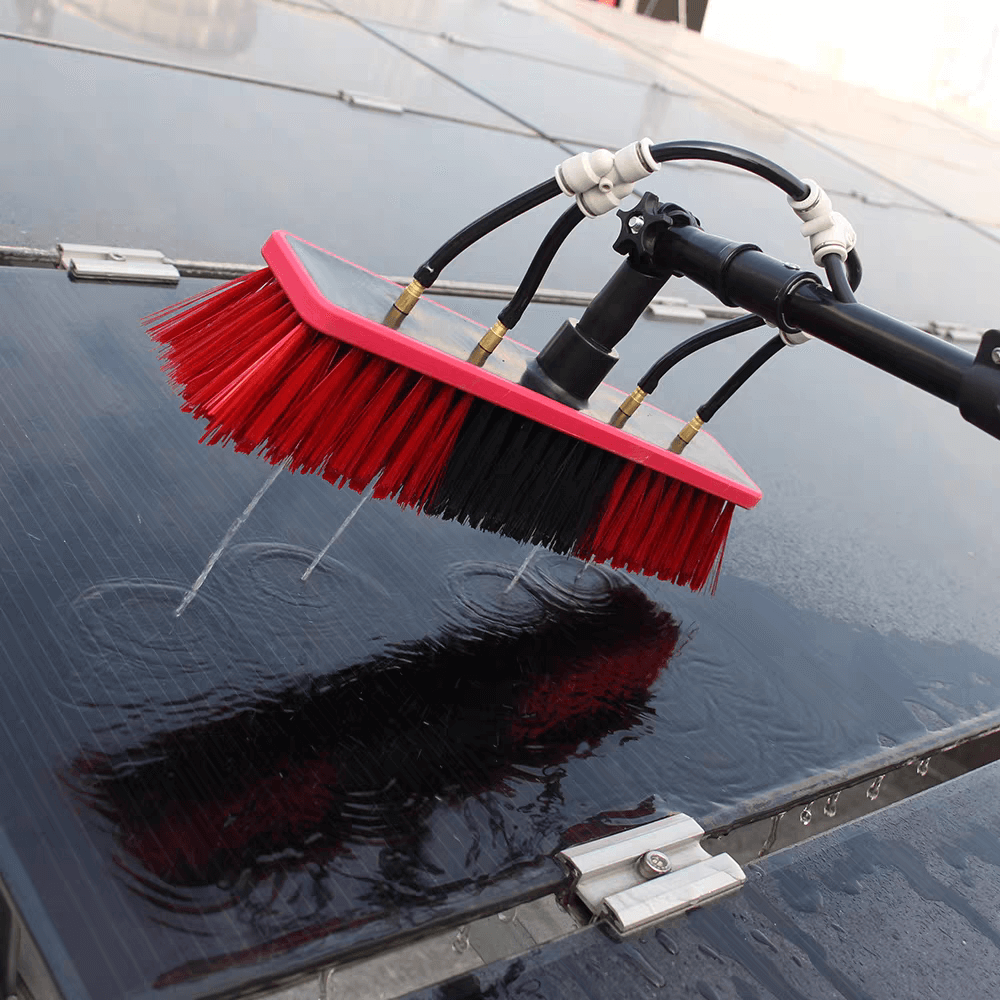
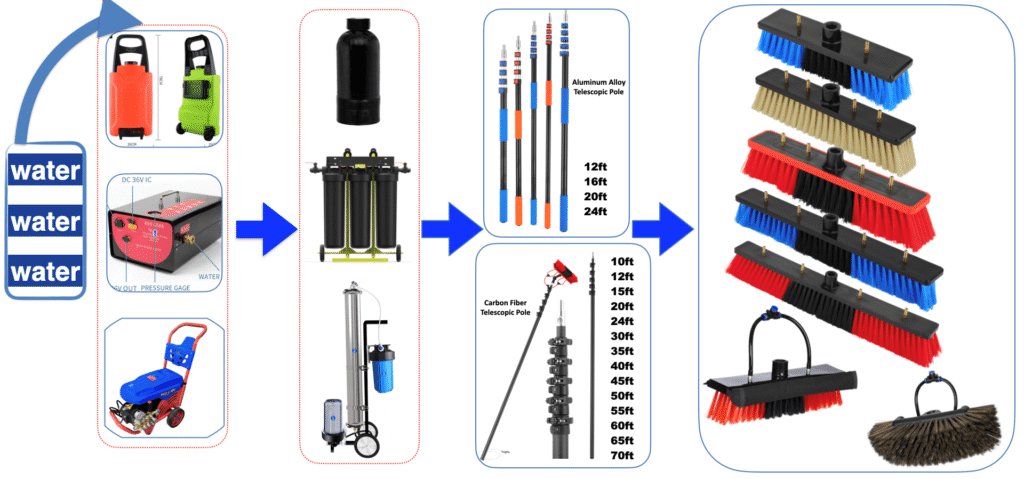
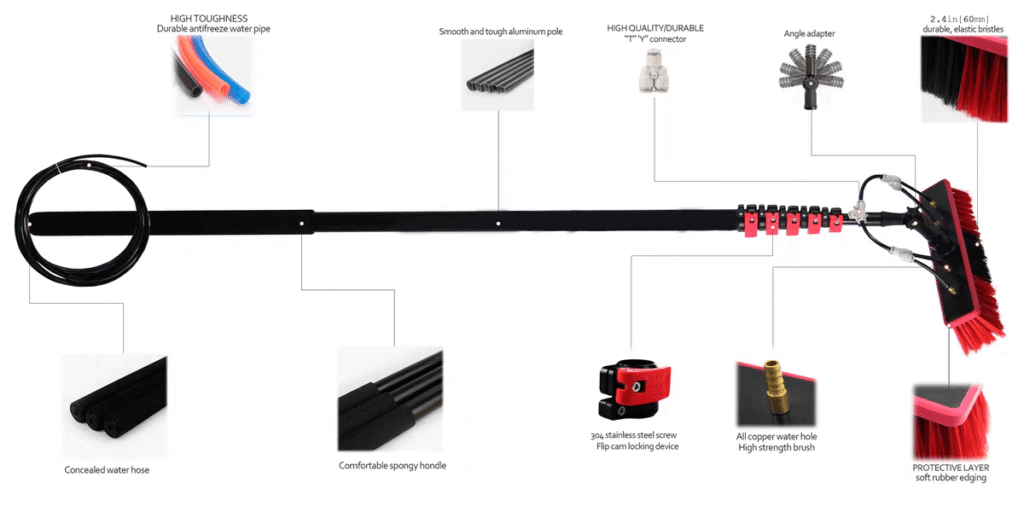
- Telescopic Poles: Allow safer ground-based access for mounted arrays.
- Solar Panel Washing Tools: Panel-specific brushes and rinse systems speed cleaning and improve consistency for larger installations.
Get a Custom Water Fed Pole Quote from Anbule
How Do Telescopic Poles Enhance Solar Panel Washing Efficiency?
Telescopic poles are practical for rooftop or high-mounted panels. Their key benefits are:
- Safety: Clean from the ground or a stable surface to lower fall risk.
- Reach: Access panels that would otherwise require ladders or scaffolding.
- Speed: Cover many panels without frequent repositioning.
Using compatible brush heads or spray attachments makes a pole a versatile cleaning tool.
What Role Do Solar Panel Washing Tools Play in Maintenance?
Tools made for solar panels improve results and reduce labor:
- Consistency: Brushes and spray bars deliver an even clean across panels.
- Time Savings: Mechanical or assisted systems are faster than hand-cleaning each panel.
- Controlled Cleaning: Proper tools provide the right water flow and gentle scrubbing to protect glass and seals.
For larger systems, these tools make routine maintenance practical and predictable.
How to Use Vinegar Safely with Solar Panel Cleaning Equipment?
If you choose vinegar, pair it with the right tools and techniques to protect panels and get a reliable clean.
Can Anbule Telescopic Poles Be Used with Vinegar-Based Cleaning Solutions?
Anbule telescopic poles work with diluted vinegar solutions, giving the reach and control to clean from the ground. Use the correct dilution and avoid prolonged contact with the surface to protect coatings.
What Are the Recommended Concentrations and Application Techniques?
For safe, effective vinegar cleaning follow these steps:
- Dilution: Mix one part white vinegar with three parts water for a mild solution.
- Application: Apply with a soft cloth, sponge, or brush—avoid abrasive pads that can scratch glass or coatings.
- Rinsing: Rinse thoroughly with clean water after cleaning to remove residual acidity.
These practices help you benefit from vinegar while protecting panel surfaces.
What Are the Environmental and Commercial Benefits of Using Vinegar for Solar Panel Cleaning?
Vinegar offers advantages beyond cleaning—both environmentally and commercially.
Get a Custom Water Fed Pole Quote from Anbule
How Does Vinegar Support Eco-Friendly Solar Panel Maintenance?
Because it’s biodegradable and low in toxic compounds, vinegar reduces the risk of harmful runoff versus some chemical cleaners. Using vinegar for routine cleaning fits sustainable maintenance strategies and helps minimize environmental impact.
What Are the Advantages for Professional Cleaning Companies and B2B Clients?
Professional cleaners and commercial clients can gain several benefits from appropriate vinegar use:
- Lower Costs: Vinegar is inexpensive and reduces supply expenses.
- Service Differentiation: Eco-friendly practices can attract sustainability-minded clients.
- Easier Compliance: Non-toxic, biodegradable solutions can simplify environmental compliance.
As part of a broader maintenance plan, vinegar can be a practical, marketable option for service providers.
Can You Use Vinegar to Clean Solar Panels | FAQs
Can vinegar damage solar panels if used incorrectly?
Yes—undiluted vinegar or long exposure can harm protective coatings. Always dilute, avoid abrasive scrubbing, and rinse thoroughly after cleaning.
How often should solar panels be cleaned with vinegar?
Frequency depends on location and soiling. Twice a year is common, but dusty areas or heavy bird activity may need more frequent cleaning. Inspect panels and monitor performance to decide the schedule.
Are there any alternatives to vinegar for cleaning solar panels?
Yes. Eco-friendly commercial cleaners formulated for solar glass or a mild soap-and-water mix often work better for tougher deposits. For stubborn stains, choose a biodegradable cleaner designed to protect coatings.
What is the best time of day to clean solar panels?
Early morning or late afternoon is best: cooler temperatures slow evaporation and reduce streaking and thermal stress. Avoid cleaning in direct midday sun.
Can I use a pressure washer to clean solar panels with vinegar?
No. High-pressure washers can damage seals and edges. A gentle hose rinse plus a soft brush or sponge is safer and usually effective.
What should I do if my solar panels have stubborn stains?
If vinegar fails to remove stubborn stains, switch to a specialized eco-friendly solar cleaner with biodegradable surfactants. Test a small area first and follow the manufacturer’s instructions to protect coatings and warranties.
Is it safe to clean solar panels during winter?
Use caution in winter. Remove loose snow with a soft brush and avoid working on icy roofs. If temperatures are near or below freezing, wait for a milder day to prevent freezing water on the panels.
Conclusion
Vinegar is a practical, eco-friendly option for light, routine solar panel cleaning when diluted and used correctly. It’s inexpensive, low-toxicity, and supports sustainable maintenance. For heavy soiling or delicate coatings, consider purpose-made eco cleaners or professional services. With proper technique and tools, you can keep panels clean, efficient, and environmentally responsible.
 English
 Deutsch
 Français
 Polski
 Português do Brasil
 Español
 日本語
日本語 Русский
 العربية
 Italiano
 Nederlands
 Türkçe
 한국어
한국어