
Keeping solar panels clean improves energy output and extends their life. Many homeowners ask whether regular glass cleaners are safe. This guide explains risks and benefits, lists safe products and techniques, and highlights tools — including eco-friendly options and telescopic poles for rooftop or hard-to-reach arrays.
Is Glass Cleaner Safe for Cleaning Solar Panels?
It depends. Some glass cleaners are harmless, but many household window products contain chemicals that can damage a panel’s protective coating or leave residues that lower performance. Choosing compatible cleaners and proper tools prevents harm and preserves output.
Get a Custom Water Fed Pole Quote from Anbule
What Are the Risks of Using Window Cleaners on Solar Panels?
Standard window cleaners often include ammonia or strong agents that can cloud or etch the surface over time. Residues attract dust and grime, negating short-term gains. Repeated use of harsh detergents may cause permanent surface damage and reduced yield. Use only products rated safe for photovoltaic surfaces.
How Does Proper Equipment Affect Glass Cleaner Safety?
Tools matter as much as the cleaner. Soft brushes, microfiber cloths and squeegees let you apply solutions gently without scratching glass or frames. Using a telescopic pole lets you reach high or ground-mounted panels from a secure position, reducing ladder time and accident risk. The right tools and compatible cleaners give a thorough, low-risk clean.
What Are the Best Cleaning Methods and Products for Solar Panels?
The safest approaches are gentle and environmentally conscious. Water-based methods often suffice; eco-friendly cleaners remove grime without harsh chemicals. Below are reliable options for routine maintenance.
Which Eco-Friendly Cleaners Are Suitable for Solar Panels?
Eco-friendly cleaners are formulated to be gentle on coatings while removing dirt and deposits. Consider these practical options:
- Vinegar and Water Solution: A mild mix of vinegar and water breaks down grime and is safe when rinsed properly.
- Biodegradable Soap: A few drops of mild, biodegradable dish soap in water can lift dirt without harmful residues.
- Commercial Solar Panel Cleaners: Look for non-abrasive, pH-neutral products labeled safe for PV panels.
These choices protect panels and reduce environmental impact while keeping performance high.
How Often Should Solar Panels Be Cleaned for Optimal Performance?
Frequency depends on location and conditions. For many households, once or twice a year is enough. In dusty, pollen-heavy, polluted, or bird-prone areas, inspect and clean more often. Regular checks and timely cleaning help maintain peak production.
Published studies also note that thorough cleaning reduces performance loss from accumulated dust and debris.
Complete Cleaning of Photovoltaic Panels for Dust Removal
mm was sufficient for complete cleaning without a frame photovoltaic panel. Table 1 shows the compilation of different studies of dust effects and compared them with the present study.
Implementation of Solar Photovoltaic in PRIZe Project, 2019
How Do Telescopic Poles Enhance Solar Panel Cleaning Efficiency?
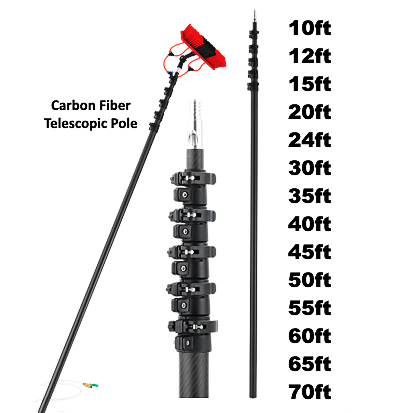
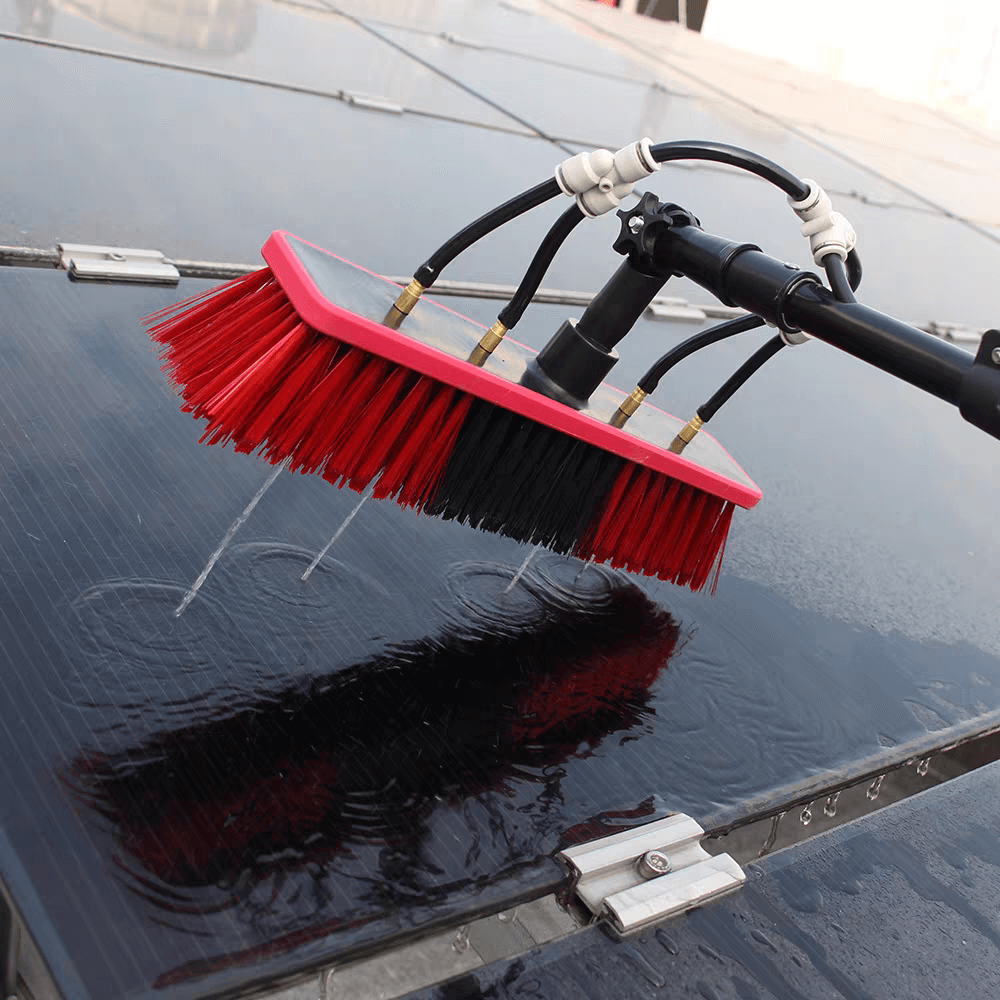
Telescopic poles let you clean roof-mounted or elevated panels from the ground, reducing ladder time and improving safety. They let you apply brushes or squeegees evenly across the glass for a consistent clean.
Regular, effective cleaning — made easier with the right tools — can noticeably increase a system’s energy output.
Cleaning PV Modules with Telescopic Poles Boosts Efficiency
a brush, telescopic pole or high-pressure hose to clean the panels. It would cleaning PV modules can increase PV power generation efficiency by more than 8% and increase PV power
Experimental investigation of Different types of Dust effect on the Grid-connected Rooftop Solar Power Plant, Deepak, 2023
What Features Make Anbule Telescopic Poles Ideal for Solar Panel Cleaning?
Anbule telescopic poles include features suited to solar cleaning:
- Adjustable Length: Extend to different heights so you can reach panels safely.
- Lightweight Design: Durable, light materials make the poles easier to handle during longer sessions.
- Compatibility with Cleaning Tools: Accept a range of heads — brushes, squeegees and more — so you can match the tool to the job.
Together, these features make cleaning faster, safer and more effective.
Can Telescopic Poles Be Used with Glass Cleaners and Washing Machines?
Yes, telescopic poles pair well with glass-cleaner applicators and washing heads designed for solar panels. Choose compatible heads that spread solution gently and won’t scratch or stress panel seals to avoid damage.
What Safety and Environmental Considerations Should You Know?
Safe cleaning protects panels and the environment. Use non-abrasive tools, eco-friendly solutions, and safe working practices to avoid injury and limit runoff that could affect nearby ecosystems.
Get a Custom Water Fed Pole Quote from Anbule
How to Use Cleaning Products Safely on Solar Panels?
To clean panels safely, follow these steps:
- Choose the Right Cleaner: Pick eco-friendly, non-abrasive cleaners labeled safe for photovoltaic glass.
- Use Soft Tools: Soft brushes, microfiber cloths and gentle squeegees reduce scratch risk.
- Rinse Thoroughly: Rinse away all cleaner to prevent residue that attracts dirt or harms seals.
These practices preserve panel integrity and keep cleaning low-risk.
What Are the Environmental Impacts of Different Cleaning Agents?
Cleaning agents differ in environmental footprint. Conventional chemicals can pollute water and harm plants and wildlife. Biodegradable, non-toxic cleaners break down naturally and minimize ecological harm. Choose biodegradable formulas and limit runoff when possible.
Can You Use Glass Cleaner on Solar Panels | FAQs
Can I clean solar panels during winter or rainy weather?
Avoid cleaning during heavy rain or freezing weather. Wet or icy surfaces are slippery and make cleaning ineffective or hazardous. For major buildup in poor weather, hire a trained professional.
What should I do if my solar panels are heavily soiled?
Start with a gentle rinse to remove loose dirt. Use a soft brush or microfiber cloth with an eco-friendly cleaner for stubborn grime, then rinse well. If soiling persists, a professional service can restore panels safely.
Are there any specific times of day that are best for cleaning solar panels?
Clean early morning or late afternoon when panels are cooler and the sun is less intense to reduce quick drying, streaking and heat-related risk.
How can I tell if my solar panels need cleaning?
Signs include a drop in energy output, visible dust, dirt or bird droppings, and a dull appearance. Monitoring production helps spot performance dips caused by soiling.
What are the benefits of using professional cleaning services for solar panels?
Professionals have the right tools and safety practices to clean thoroughly without damage. They can spot issues like cracked glass or failing seals and recommend repairs, often using eco-friendly cleaners.
Can I use a pressure washer to clean my solar panels?
High-pressure washers are not recommended; strong jets can damage seals, frames and coatings. Use low-pressure rinses, soft brushes, or hire professionals who apply safe pressure settings.
Conclusion
Regular, careful cleaning helps panels perform well and protects your investment. Favor eco-friendly cleaners, soft tools and the right gear — like telescopic poles — for safer, more effective maintenance. Routine care improves output and reduces environmental impact.
 English
 Deutsch
 Français
 Polski
 Português do Brasil
 Español
 日本語
日本語 Русский
 العربية
 Italiano
 Nederlands
 Türkçe
 한국어
한국어