
Keeping solar panels clean is one of the simplest ways to protect their output. Over time, dust, dirt, and other debris collect on the glass, blocking sunlight and reducing electricity production. This article explains the benefits of regular cleaning, the tools that make a measurable difference, and straightforward maintenance practices. With a better grasp of how cleaning affects efficiency, you can choose the right approach and equipment for your system.
What energy savings come from cleaning solar panels regularly?
Regular cleaning can deliver noticeable energy savings by returning panels to peak performance. When surfaces are free of grime, panels capture more sunlight and generate more power. Studies show dirty panels can lose between 5% and 20% of their efficiency, so routine cleaning is an important part of protecting production and lowering electricity costs.
Get a Custom Water Fed Pole Quote from Anbule
How does cleaning improve solar panel efficiency?
Cleaning removes the dirt and buildup that block light, allowing panels to absorb more solar radiation and produce more electricity. Research suggests cleaning can boost efficiency roughly 12–25%, a gain that matters most in dusty or polluted locations where soiling happens faster and maintenance is more critical.
How much energy can dust and dirt cost you?
Even a thin film of dust can shave 5–15% off energy output in many cases. In heavier soiling scenarios, losses can reach 20% or more. Regular cleaning helps prevent those drops and keeps your system delivering the returns you expect.
Which cleaning tools improve solar panel performance?
Effective cleaning relies on the right tools. Specialized equipment lets you remove grime without damaging panels, speeds the job up, and improves safety for whoever is doing the work.
What are telescopic poles and how do they help clean solar panels?
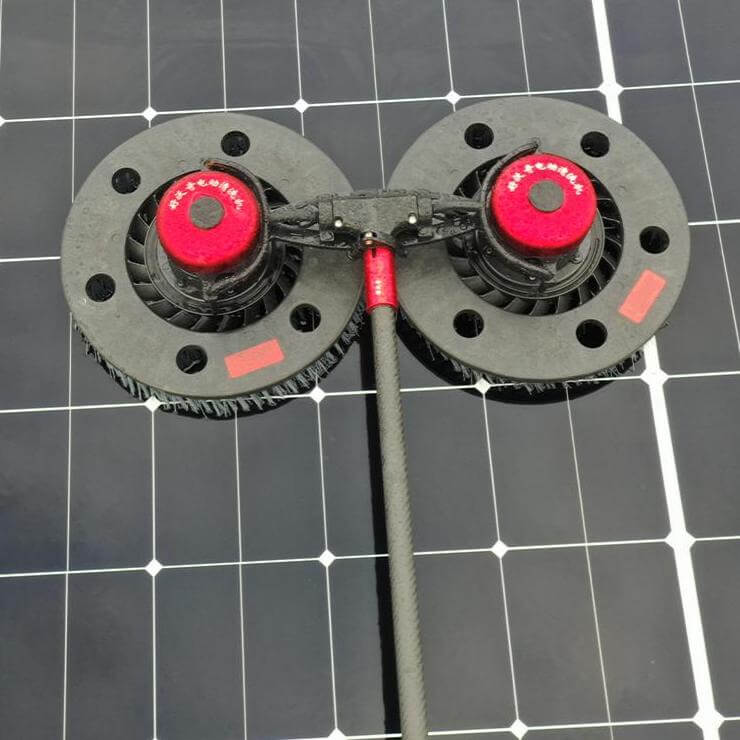
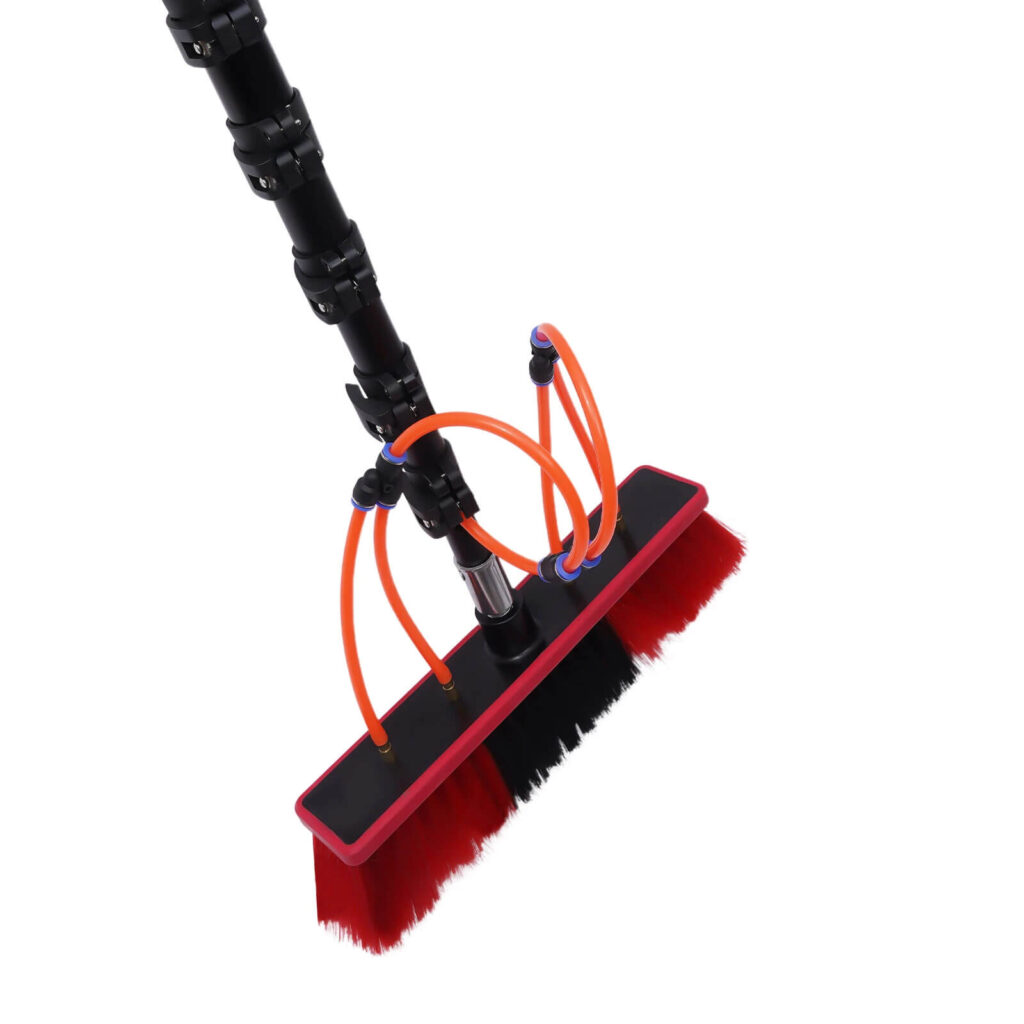
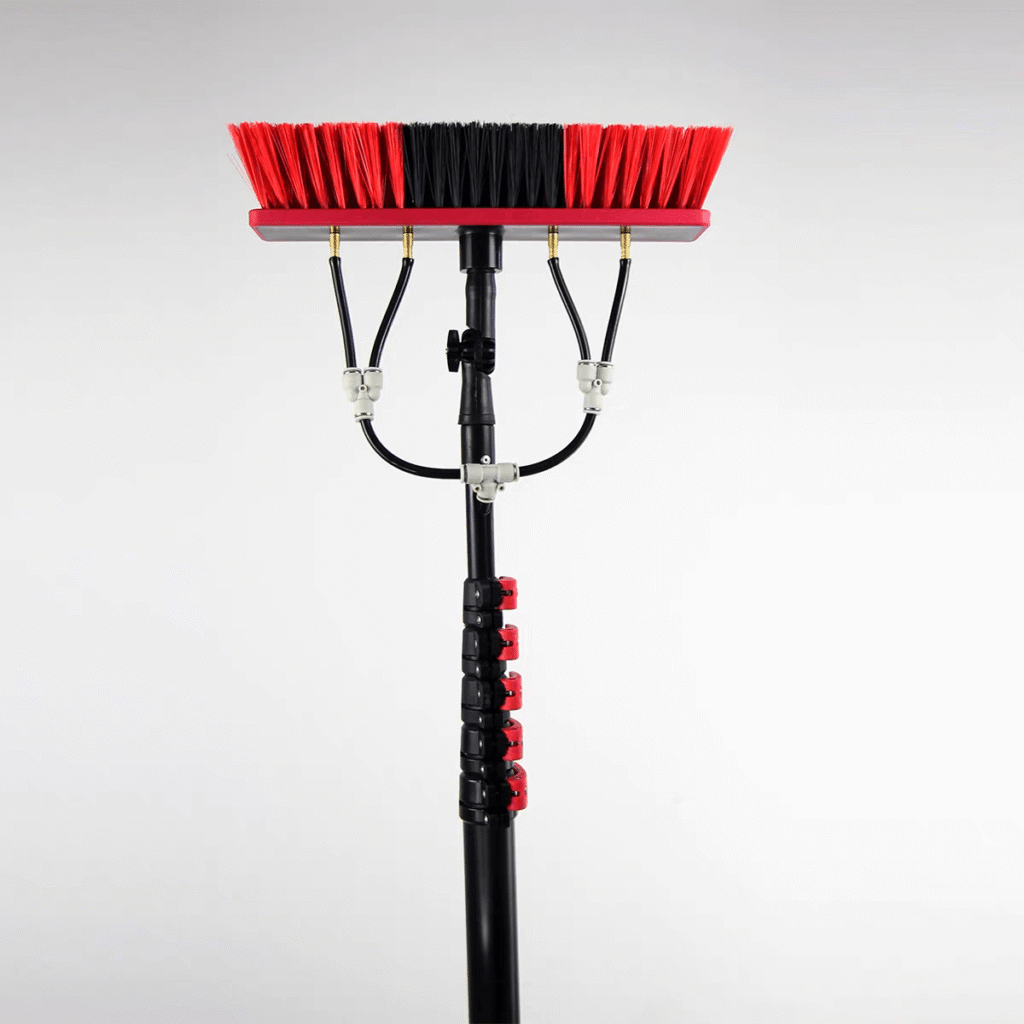
Telescopic poles let you reach rooftop panels from the ground, reducing the need to climb ladders. They extend to different heights and angles and can accept brushes and spray nozzles made for solar glass, so you can clean thoroughly and safely.
How do solar panel washing machines improve cleaning efficiency?
Solar panel washing machines automate much of the work with soft brushes and precision water jets. Designed to be gentle on the surface, these systems remove dirt without manual scrubbing, saving time and lowering labor costs — especially useful for large arrays and professional services.
How do Anbule telescopic poles support solar panel cleaning?
Anbule’s telescopic poles are built specifically for solar cleaning tasks. Their strong but lightweight construction and ergonomic design suit both residential and commercial setups, letting technicians reach panels safely without ladders or scaffolding.
What features make Anbule telescopic poles suitable for solar panels?
Anbule poles use lightweight materials for easier handling while maintaining the strength needed for cleaning. Adjustable lengths let you match the pole to your panel height, and ergonomic grips reduce user fatigue so cleaning stays safe and efficient.
How are telescopic poles integrated with solar panel washing systems?
Telescopic poles plug into washing systems by accepting brushes, nozzles, and hose connections. That lets operators clean panels from a distance, reach tight areas, and reduce the chance of accidental damage — resulting in a more complete, controlled clean.
What are best practices for solar panel maintenance and cleaning frequency?
To keep panels performing well, pair regular cleaning with routine inspections. Build a schedule based on where the panels are installed and the local environment so you address soiling before it becomes a production problem.
Get a Custom Water Fed Pole Quote from Anbule
How often should solar panels be cleaned for optimal energy savings?
Cleaning frequency depends on location, weather, and how much dust or debris collects. A common guideline is once or twice a year, but areas with heavy dust, pollution, bird activity, or little rainfall may need more frequent cleaning to preserve efficiency.
What maintenance steps maximize solar panel performance?
To maximize performance, follow these simple steps:
- Regular Inspections: Look for visible damage, shading, or debris buildup.
- Prompt Repairs: Fix faults quickly to avoid larger problems and lost production.
- Seasonal Adjustments: Increase cleaning during dusty seasons and scale back after rainy periods.
Sticking to these practices helps systems run efficiently and extends their service life, delivering better energy savings over time.
How Cleaning Solar Panels Boosts Performance & Saves Energy | FAQs
What are the signs that my solar panels need cleaning?
Look for visible dust, bird droppings, pollen, or a dull film on the glass. Drops in energy production or sustained performance dips compared with previous months can also indicate soiling. If you live in a dusty or polluted area, schedule more frequent checks to catch buildup early.
Can I clean my solar panels myself, or should I hire a professional?
You can clean panels yourself if they’re easy to access and you follow safety guidance. For rooftop or hard-to-reach systems, hiring a professional is often safer and more effective—pros bring proper equipment, fall protection, and experience to avoid damage. If you DIY, use soft brushes, telescopic poles, and mild cleaning solutions.
What time of year is best for cleaning solar panels?
Spring and fall are generally the best times: temperatures are moderate and it’s easy to remove seasonal buildup. Avoid cleaning during very hot weather, heavy rain, or high winds—those conditions reduce effectiveness and increase safety risks.
Are there any risks associated with cleaning solar panels?
Yes. Climbing roofs risks falls, harsh chemicals can damage coatings, and improper techniques may scratch glass or cause thermal shock. Reduce risk by using the right tools, following safety protocols, and hiring professionals for high or steep installations.
How does weather affect the cleaning frequency of solar panels?
Weather makes a big difference. Regular rain can naturally wash panels and lower the need for manual cleaning. Dry, dusty, or pollen-heavy climates require more frequent attention. Track local weather and adjust your cleaning schedule accordingly to keep output steady.
What should I avoid when cleaning my solar panels?
Don’t use abrasive pads, harsh solvents, or high-pressure water that can scratch or damage panels. Avoid cleaning when panels are hot or during storms. Stick to soft brushes or cloths, gentle detergents if needed, and follow the manufacturer’s care instructions.
Get a Custom Water Fed Pole Quote from Anbule
Conclusion
Regular cleaning is a simple, cost-effective way to protect solar performance and reduce energy loss. Using the right tools—like telescopic poles and washing machines—makes cleaning safer and more effective. With a consistent maintenance plan, your solar system will produce more energy and last longer. Explore our selection of cleaning tools and resources to keep your panels working at peak efficiency.
 English
 Deutsch
 Français
 Polski
 Português do Brasil
 Español
 日本語
日本語 Русский
 العربية
 Italiano
 Nederlands
 Türkçe
 한국어
한국어